
Is car removal in geelong available for all vehicle types?

When a vehicle becomes old, damaged, unwanted, or too expensive to repair, finding a reliable way to remove it can make life much easier. Many owners wonder whether car removal in geelong services are limited to ordinary passenger cars or whether they can also handle vans, utes, 4WDs, motorcycles, commercial vehicles, and badly damaged vehicles. In many cases, local removal providers accept a much wider range of vehicles than people expect.
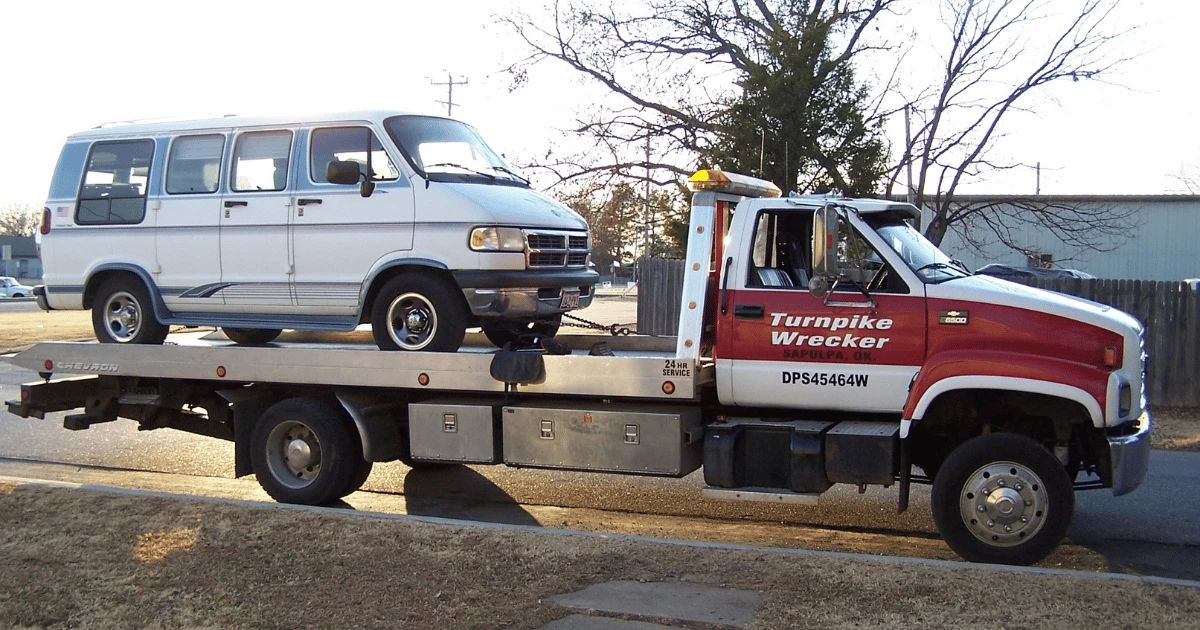
The exact vehicles accepted can vary between providers, especially when a vehicle is unusually large, heavily damaged, inaccessible, or missing important paperwork. Therefore, it is useful to understand what types of vehicles are commonly accepted and what factors may affect collection.
What Vehicle Types Can Usually Be Removed?
Most professional car removal in geelong services are designed to deal with more than standard sedans. Providers commonly advertise collection for old, damaged, broken, wrecked, scrap, and unwanted vehicles. Some also accept several categories of larger or non-standard vehicles.
The important point is that acceptance is normally based on the provider's equipment, licensing, collection area, and ability to safely transport the vehicle.
Passenger Cars
Ordinary passenger cars are usually the simplest vehicles to remove. This includes sedans, hatchbacks, wagons, and many family vehicles.
A car does not necessarily need to be roadworthy to qualify. Some removal businesses specifically purchase vehicles that are no longer running, damaged, or suitable only for recycling or dismantling.
This makes removal useful when repairing an old vehicle would cost more than its practical value.
SUVs and 4WDs
SUVs and 4WDs are also commonly handled by removal businesses. Their larger size and weight can require suitable towing equipment, but many local operators advertise services for these vehicles.
For example, some Geelong removal providers specifically list 4WDs and SUVs among the vehicles they accept.
If the vehicle is particularly large or modified, it is sensible to provide its details before collection so the operator can arrange appropriate equipment.
Utes and Vans
Utes and vans are another common category. These vehicles can have significant value through reusable components, metal, engines, transmissions, and other parts.
Some Geelong services explicitly advertise removal for utes and vans, including vehicles that are old, damaged, or no longer useful.
When requesting a quote, mention whether the vehicle is a standard ute, extended vehicle, commercial van, or modified vehicle.
Trucks and Commercial Vehicles
Commercial vehicles require more careful assessment because they can be considerably heavier and larger than ordinary cars.
Some local businesses advertise removal for trucks and other commercial vehicles, but acceptance may depend on the truck's dimensions, weight, condition, and location.
A commercial vehicle stored in a narrow driveway, enclosed yard, or difficult-access location may require specialized recovery equipment.
Motorcycles
Motorcycles may also be accepted by certain removal services. One Geelong-area provider states that its towing partners can perform both motorcycle and car removal.
However, motorcycle collection should not automatically be assumed to be included with every car-removal company. Always confirm before arranging pickup.
Damaged and Wrecked Vehicles
Severely damaged vehicles are an important part of the vehicle-removal industry. A vehicle may have suffered accident damage, mechanical failure, or long-term deterioration and no longer be practical to drive.
Specialist salvage towing services in Geelong handle damaged, unroadworthy, and non-operational vehicles using recovery methods suited to their condition.
This is particularly important when wheels, steering, suspension, or other major components are damaged. The vehicle may need to be loaded rather than driven onto a conventional tow truck.
Scrap and Junk Vehicles
Vehicles that have reached the end of their useful life can often be removed for recycling or salvage.
Professional operators may assess the remaining value of reusable components and recyclable materials. Some Geelong businesses specifically advertise services for scrap, junk, old, unwanted, and wrecked vehicles.
Instead of leaving an unusable vehicle occupying valuable space, an owner can arrange collection and allow suitable materials and parts to enter appropriate recovery or recycling channels.
Does the Vehicle Need to Be Running?
Not necessarily.
A major advantage of professional removal is that many services are designed to collect vehicles that cannot be driven. Local providers advertise towing for broken, damaged, wrecked, and scrap vehicles.
However, the collection method depends on the vehicle's condition.
A running vehicle may be loaded relatively easily. A vehicle with a flat battery may need basic recovery assistance, while a heavily damaged vehicle may require a flatbed or specialist recovery equipment.
What About Unregistered Vehicles?
Unregistered vehicles can sometimes be collected, particularly when they are being sold for salvage or dismantling. Some local businesses specifically advertise services for unregistered and broken vehicles.
Nevertheless, owners should discuss the registration status during the quotation process. The business may require proof of ownership and other documentation before completing the transaction.
What About Flood-Damaged Vehicles?
Flood-damaged vehicles can be difficult to repair economically, especially when important electrical and mechanical systems have been affected.
Some Geelong removal businesses advertise collection of flooded, damaged, accidental, and old vehicles.
Because water-damaged vehicles can have additional handling and environmental considerations, owners should clearly explain the condition before pickup.
What Factors Determine Whether a Vehicle Is Accepted?
Vehicle type is only one part of the assessment. A provider may also consider the vehicle's condition, size, location, ownership documentation, and accessibility.
Vehicle Condition
A provider needs to know whether the vehicle is running, partially operational, completely immobile, damaged, or dismantled.
This information helps determine the appropriate recovery equipment.
Vehicle Size and Weight
A standard tow vehicle may be suitable for a passenger car but not necessarily for a heavy commercial vehicle.
Large vehicles may require specialized equipment and additional planning. This is one reason it is important to provide accurate vehicle details when requesting a quote.
Accessibility
The location of the vehicle can make a significant difference.
A car parked on an open driveway is usually easier to recover than one inside a narrow garage or behind another vehicle. Difficult terrain, steep driveways, restricted entrances, or obstacles may require specialist recovery techniques.
Geelong recovery operators note that damaged vehicles in confined or difficult locations can require specialized methods and equipment.
Ownership and Paperwork
Removal providers may request documentation confirming that the person selling or surrendering the vehicle has the legal authority to do so.
For example, one Geelong vehicle-buying service states that identification and a signed contract of sale are part of its preparation process.
Having relevant documents ready can make the process smoother.
How Does the Removal Process Work?
The process is generally straightforward.
First, contact a removal provider and describe the vehicle. Give details such as the make, model, year, condition, location, and whether it runs.
Next, explain any unusual circumstances. Tell the provider if the vehicle has accident damage, missing wheels, major mechanical problems, restricted access, or unusual dimensions.
The provider can then assess whether it can collect the vehicle and determine an appropriate offer or towing arrangement.
After accepting the terms, a pickup time can be arranged. Some businesses advertise free towing or collection as part of their service.
Finally, the vehicle is loaded and transported for its agreed purpose, such as resale, dismantling, salvage, or recycling.
Can You Get a Quote for Any Vehicle?
You can usually request an assessment even if you are uncertain whether your vehicle qualifies.
This is particularly useful for unusual vehicles, heavily damaged cars, older commercial vehicles, and vehicles that have been sitting unused for a long time.
Do not assume that a vehicle has no value simply because it cannot be driven. Parts, materials, and salvageable components can still influence its value.
Are Removal Services Available Across Greater Geelong?
Many businesses advertise service throughout Geelong and surrounding suburbs. Some use towing networks or local recovery partners to collect vehicles from different parts of the region.
For example, local operators include Geelong Car Removal and Portside Auto Wreckers.
However, service boundaries can differ. If the vehicle is outside central Geelong or located in a regional area, confirm the collection area before making arrangements.
What Should You Ask Before Booking?
Before agreeing to removal, ask a few basic questions.
Confirm whether the provider accepts your particular vehicle type. Ask whether towing is included and whether there are additional charges for difficult recovery.
You should also clarify the offered price, required documents, pickup arrangements, and what happens after collection.
If the vehicle is severely damaged, describe its condition honestly. Accurate information helps the operator bring suitable equipment and reduces the chance of delays.
How Can You Prepare the Vehicle?
Preparation does not usually require major work.
Remove personal belongings from the interior, boot, glove compartment, and other storage areas. Check carefully for important documents or valuables before the vehicle leaves your property.
Keep the relevant ownership and identification documents available if they are required.
If possible, make the vehicle accessible to the towing operator. Move other cars or objects that could prevent safe loading.
For a vehicle that cannot move, do not attempt unsafe repairs simply to make it easier to collect. Tell the recovery provider about its condition so the correct equipment can be used.
Is Every Vehicle Automatically Accepted?
No. Although many businesses accept a broad range of vehicles, no responsible service should be assumed to accept absolutely everything.
Unusually large machinery, heavily modified vehicles, vehicles without clear ownership, or vehicles located in extremely difficult positions may require additional assessment.
The safest approach is to provide complete information and obtain confirmation before booking.
Why Vehicle Type Matters for Pricing
The vehicle's type can influence its value.
A vehicle with desirable reusable parts may be worth more than one that has very little salvageable material. Make, model, age, condition, demand for parts, and metal content can all influence an assessment.
Size can also affect transportation requirements. A large commercial vehicle may require equipment that is different from what would be used for a small hatchback.
Therefore, two vehicles in similar physical condition can receive different offers.
Choosing a Suitable Removal Provider
Choosing a provider should involve more than looking at the highest advertised price.
Check whether the business clearly explains its service, collection process, and conditions. Look for information about towing, documentation, vehicle acceptance, and pricing.
A professional provider should also be able to explain how it will handle a vehicle that cannot be driven.
Local businesses such as Roos Car Removals Pty Ltd and All Geelong Car Removals are examples of businesses operating in the local vehicle-removal and wrecking sector.
Benefits of Professional Vehicle Removal
Professional removal can save owners considerable time and effort.
Instead of arranging separate transport, finding a buyer, and organizing disposal, a removal company may combine assessment, purchase, and towing into one process.
It can also be useful for vehicles that are no longer safe or practical to drive. Specialist salvage operators can use suitable recovery equipment for difficult vehicles.
Another benefit is that unwanted vehicles can potentially be directed toward reuse, dismantling, or recycling rather than simply being left unused.
Common Mistakes to Avoid
One common mistake is assuming that every removal company handles every type of vehicle.
Another is providing incomplete information about damage or vehicle size. This can lead to an unsuitable recovery vehicle being sent.
Owners should also avoid accepting unclear terms without asking questions. Confirm whether towing is included, what documents are required, and whether the quoted amount is the final agreed amount.
Finally, remove personal belongings before collection. Once the vehicle has been taken away, recovering forgotten items can be difficult.
Conclusion
In many cases, car removal in geelong is available for a wide range of vehicles, not just ordinary passenger cars. Local providers advertise removal for old, damaged, wrecked, scrap, and unwanted cars, while some also handle SUVs, 4WDs, utes, vans, motorcycles, trucks, and commercial vehicles.
However, “all vehicle types” should not be understood as an automatic guarantee. Each provider has its own equipment, licensing requirements, service area, and vehicle restrictions. Large, unusually heavy, severely damaged, partially dismantled, or difficult-to-access vehicles may require special arrangements.
The best approach is simple: provide accurate information about the vehicle before booking. Explain its type, size, condition, location, and whether it can move under its own power. Also ask about towing costs, paperwork, collection timing, and any special requirements.
For standard cars, utes, vans, SUVs, 4WDs, motorcycles, and many damaged or scrap vehicles, local removal options are widely available. For unusual or difficult vehicles, a quick assessment from the provider can determine whether specialized recovery equipment is needed.
Ultimately, choosing a professional service that clearly explains its terms can make the removal process safer, easier, and more predictable. Whether the vehicle is an old family car, a damaged 4WD, an unwanted ute, or a non-running vehicle taking up space, the right removal provider can help determine the most practical way to collect and responsibly handle it.