
Can heated igloo rental Be Used Outdoors?

A heated igloo rental is designed to create a warm, comfortable, and memorable space during cold weather, making it especially appealing for outdoor events. Despite the name, an igloo rental is not meant to function like a traditional indoor room. Instead, it provides a protected outdoor environment where guests can enjoy dining, celebrations, conversations, or special experiences while staying sheltered from cold temperatures and changing weather conditions.
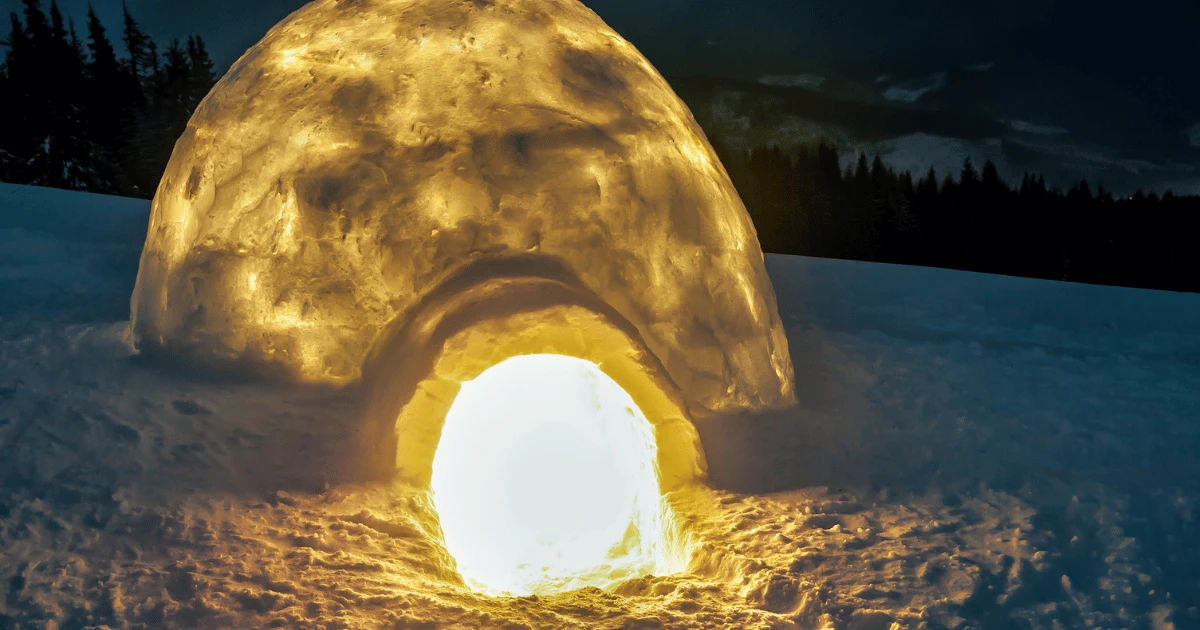
For people planning winter weddings, restaurant patios, corporate gatherings, birthday parties, or private celebrations, the ability to use an igloo outdoors can make an event much more flexible. However, outdoor use requires proper planning. The location, heating system, ventilation, flooring, weather conditions, and safety arrangements all need to be considered before the rental is installed.
Understanding how these structures work can help you decide whether one is suitable for your event and how to get the most comfortable experience from it.
What Is a Heated Igloo Rental?
A heated igloo rental is generally a temporary dome-shaped structure equipped with heating equipment. These structures are often made from durable transparent or semi-transparent materials that allow guests to enjoy views of their surroundings while remaining protected from cold air.
The interior can be arranged with tables, chairs, benches, lighting, decorations, and other event furnishings. Depending on the provider, some igloos may also include flooring, heaters, electrical connections, or decorative features.
Unlike a permanent building, an outdoor igloo is usually installed for a specific period. It can therefore be used at locations where constructing a permanent enclosed space would not be practical.
The heating component is particularly useful during fall and winter. It allows guests to spend more time outside without being exposed directly to uncomfortable temperatures.
Can It Really Be Used Outdoors?
Yes, most heated igloos are specifically designed for outdoor use. Their purpose is to provide an enclosed outdoor environment during cooler weather.
However, outdoor use does not mean that the structure can be placed anywhere under any conditions. The rental company normally needs to evaluate the location and determine whether it is suitable.
A stable and level surface is important. The area should also have enough space around the structure for installation, guest movement, equipment, and emergency access.
Weather is another major consideration. Light rain, cold temperatures, and moderate winter conditions are generally easier to manage than severe storms, extreme winds, heavy snow accumulation, or flooding.
Before booking, ask the provider what weather conditions their particular structure is designed to handle.
How Does Outdoor Heating Work?
Heating is one of the most important features of an outdoor igloo. Because the structure is enclosed, heat can remain inside more effectively than it would in a completely open outdoor seating area.
Different rental companies use different heating methods.
Electric Heaters
Electric heaters are commonly used when a reliable electrical supply is available. They can be convenient because they do not produce combustion gases inside the enclosure.
However, the electrical requirements should be confirmed before installation. A heater that requires substantial power may need a dedicated circuit or another appropriate power arrangement.
Extension cords should also be handled carefully to prevent tripping hazards and electrical problems.
Propane Heaters
Some providers use propane-powered heating equipment. Propane can provide substantial heat and may be useful at locations where sufficient electrical power is unavailable.
However, propane heating requires careful safety planning. The heater must be suitable for the environment and installed according to the manufacturer's instructions.
Ventilation is especially important because fuel-burning equipment can produce carbon monoxide. Guests should never use an inappropriate heater inside an enclosed structure.
Infrared Heating
Infrared heaters work differently from conventional heaters. Instead of primarily warming the surrounding air, they provide radiant heat that can be felt directly by people and nearby surfaces.
This can be useful in outdoor environments because guests can feel warmth without requiring the entire space to reach the same temperature.
The rental provider should select equipment based on the size and design of the igloo.
Why Use an Igloo Outdoors?
One of the biggest advantages of an outdoor igloo is that it allows people to enjoy an outdoor setting during colder months.
A restaurant, for example, can create additional seasonal seating without building a permanent extension. A private event host can transform a backyard or patio into a cozy winter gathering area.
Outdoor igloos can also provide a distinctive atmosphere. Transparent walls allow guests to see gardens, city lights, snowy landscapes, or other surroundings while remaining protected from direct exposure to the weather.
For special occasions, this combination of comfort and scenery can make the experience more memorable.
What Locations Are Suitable?
The best location depends on the size of the structure and the requirements of the rental company.
Patios and Decks
Patios are often convenient because they already provide a prepared surface. Restaurants, hotels, and private properties may have enough room for an igloo to be installed without major changes.
The surface should be strong enough to support the structure and its furnishings.
Lawns and Gardens
A lawn can also work if the ground is relatively level and stable. Depending on the structure, the provider may use an appropriate anchoring system to keep it secure.
Garden locations can be particularly attractive for weddings, dinner parties, and winter celebrations.
Rooftops
Rooftop installations can create an impressive experience, but they require additional planning. Building access, structural capacity, wind exposure, electrical availability, and safety regulations should all be evaluated.
A rental company may require additional information before agreeing to a rooftop installation.
Event Venues
Hotels, event centers, breweries, restaurants, and other venues may use igloos to create seasonal outdoor seating or private event areas.
Before booking, confirm that the venue permits temporary structures and that the installation complies with its requirements.
Weather Considerations
Outdoor weather can change quickly, particularly during winter. A heated enclosure provides protection, but it does not eliminate every weather-related risk.
Strong winds are an important concern because dome structures can experience significant forces during severe weather. Heavy snow may also place additional weight on the structure.
Rain can generally be easier to manage if the enclosure is properly designed and sealed. Nevertheless, drainage around the installation area should be considered.
If severe weather is forecast, the rental company may recommend postponing, relocating, securing, or removing the structure.
A responsible provider should explain its weather policy before accepting the booking.
Is a Heated Igloo Warm Enough in Winter?
The answer depends on several factors.
Outdoor temperature is obviously important, but it is not the only factor. The size of the igloo, insulation or enclosure material, number of guests, heater capacity, wind conditions, and frequency of door opening can all affect the interior temperature.
A smaller enclosure with a suitable heater may become comfortable relatively quickly. A larger structure containing many guests may require a stronger heating solution.
Guests should also dress appropriately for the season. Even when the interior is heated, temperatures may feel cooler near entrances or transparent walls.
For very cold conditions, ask the provider what minimum temperature range the structure and heating system are designed to accommodate.
Ventilation and Air Quality
Heating an enclosed outdoor structure requires attention to ventilation.
If the heating system uses combustion, adequate ventilation becomes particularly important. Carbon monoxide is colorless and odorless, so relying on smell is not a safe way to detect it.
Never bring an indoor-only heater into an igloo simply because it appears convenient. Heating equipment should be approved for the intended environment and installed correctly.
Electric heating can reduce certain combustion-related concerns, but general ventilation and fresh-air considerations still matter.
The rental company should provide clear instructions regarding heater operation, ventilation, and emergency procedures.
Safety Tips for Outdoor Use
Safety should be treated as a central part of planning rather than an afterthought.
First, keep heaters away from curtains, decorations, furniture, clothing, and other combustible materials. The required clearance specified by the heater manufacturer should always be followed.
Second, keep electrical cables organized and protected from foot traffic and moisture.
Third, do not overcrowd the enclosure. Guests should have enough room to move comfortably and reach the entrance without difficulty.
Fourth, keep entrances and emergency exits clear.
If food is being served, hot equipment and cooking appliances should be positioned carefully. Open flames may not be appropriate inside an enclosed structure.
Finally, guests should know how to leave the structure quickly if an emergency occurs.
Furniture and Interior Design
An outdoor igloo does not have to feel temporary or basic. With thoughtful decoration, it can become an attractive event space.
Comfortable chairs, compact sofas, small tables, rugs, cushions, and appropriate lighting can create a welcoming atmosphere.
For dining events, tables should be arranged so that guests and servers can move easily. For cocktail parties, smaller tables can leave more open floor space.
Lighting can also make a major difference. Soft decorative lighting can create a cozy environment while still allowing people to see entrances and walkways.
Decorations should not interfere with heaters, ventilation, electrical equipment, or structural components.
Food and Dining Considerations
One popular use for outdoor igloos is private dining.
Restaurants may use them for seasonal dining experiences, while private hosts may arrange catered meals inside.
Before serving food, consider the temperature of the dishes, available table space, and how servers will enter and exit.
Condensation can sometimes develop on transparent surfaces when warm air meets colder exterior surfaces. Proper ventilation can help manage this issue.
If a cooking appliance is needed, confirm with the rental provider whether it is permitted. Food preparation and cooking should not be assumed to be safe simply because the structure is outdoors.
Can It Be Used During Snow?
A heated igloo can potentially be used during snowy weather, but the answer depends on the structure and the conditions.
Light snow may create a beautiful atmosphere and is one reason people choose winter igloo experiences. However, heavy snowfall can create structural and access concerns.
Snow may need to be cleared from the surrounding area and, depending on the design, from parts of the structure.
The rental provider should have specific procedures for snow accumulation. Never assume that a heater alone makes the structure safe during a major snowstorm.
How Long Can an Outdoor Igloo Stay Set Up?
The rental period varies between providers.
Some companies offer structures for several hours, while others provide multi-day or seasonal rentals. Long-term installations require more attention to weather exposure, anchoring, electrical connections, cleaning, and maintenance.
If the igloo will remain outdoors for an extended period, ask who is responsible for monitoring it.
The provider should also explain what happens if severe weather develops after installation.
Questions to Ask Before Renting
Before booking an outdoor structure, ask several practical questions.
Is the structure designed specifically for outdoor use?
What temperatures can the heating system handle?
What type of heater is provided?
What power supply is required?
How is the structure anchored?
What happens during high winds or heavy snow?
Does the rental include flooring and furniture?
Who installs and removes the structure?
Are there additional delivery or setup charges?
Does the provider have insurance?
Are permits required at the chosen location?
What is the cancellation or weather-related rescheduling policy?
Getting clear answers can prevent unexpected problems later.
Cost Factors
The price of an outdoor igloo rental can vary considerably.
Size is one of the biggest factors. A larger enclosure generally requires more materials, heating capacity, furniture, and installation work.
Rental duration can also influence the total price. Additional costs may apply for delivery, setup, removal, flooring, furniture, lighting, heaters, or special locations.
A difficult installation site may cost more because it requires additional labor.
Rather than comparing only the advertised rental price, compare the complete package. A slightly more expensive option may include heating, installation, furniture, and weather protection that would otherwise cost extra.
Benefits for Different Events
A heated igloo can work well for many types of gatherings.
Weddings
Couples can provide guests with a warm outdoor lounge or dining area during fall and winter weddings.
Corporate Events
Businesses can use enclosed outdoor spaces for employee gatherings, client events, or seasonal celebrations.
Restaurants
Restaurants can expand outdoor seating during colder months while creating a unique dining experience.
Birthday Parties
A private backyard igloo can provide a cozy setting for dinner, games, conversations, or small celebrations.
Holiday Gatherings
Winter holidays naturally pair well with warm, enclosed outdoor spaces. Decorations, lighting, and seasonal food can transform the structure into an inviting environment.
Common Mistakes to Avoid
One common mistake is choosing a location before checking installation requirements.
Another is selecting a heater based only on its advertised power. Heating equipment needs to be appropriate for the structure and environment.
Some people also underestimate the importance of ventilation. An enclosure should never be treated like a sealed room when using equipment that requires airflow.
Ignoring the weather policy can create another problem. Always understand what happens if dangerous conditions develop before or during the rental.
Finally, do not assume that every igloo has the same specifications. Designs, materials, anchoring systems, heaters, and safety features vary between providers.
Conclusion
So, can a heated igloo rental be used outdoors? Absolutely. In fact, outdoor use is one of the main reasons these structures are becoming popular for cold-weather gatherings. They provide a practical way to enjoy patios, gardens, rooftops, restaurant spaces, and other outdoor locations while offering protection from cold temperatures and ordinary seasonal weather.
The key is choosing the right structure for the location and conditions. Heating capacity, ventilation, anchoring, electrical requirements, flooring, weather resistance, and guest capacity should all be considered before installation.
A heated igloo rental can turn an otherwise uncomfortable winter environment into a warm and inviting gathering space. However, it should not be viewed as a replacement for a permanent building during extreme weather. Severe winds, heavy snow, flooding, or other hazardous conditions may require the event to be postponed or the structure to be removed.
With proper planning, an appropriate heating system, responsible installation, and sensible safety practices, an outdoor igloo can provide a comfortable and memorable experience. The best approach is to discuss the specific location and expected weather with the rental provider before making a final decision.
Ultimately, a heated igloo rental is most successful when comfort, safety, and the outdoor experience are planned together. When those elements are balanced, guests can enjoy the beauty of the outdoors without having to sacrifice warmth and convenience.