
When A Small Cut Becomes A Bear On: Recognizing Injure Risks In Diabetes

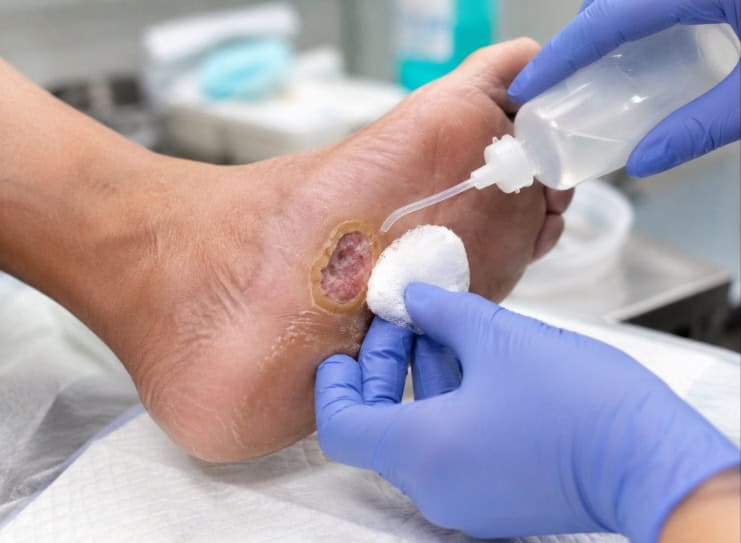
A moderate cut or excise may seem like an ordinary part of mundane life. For many people, youngster skin injuries heal without causing significant problems. However, for individuals keep with , even a small injure can sometimes want additional tending. Changes associated with diabetes may affect , sensation, unaffected reply, and the body’s ability to resort disreputable tissue.
Understanding why seemingly fry injuries can become more complicated is an fundamental part of diabetic foot and injure care. Recognizing potential monition signs early and seeking appropriate medical exam advice can help reduce the risk of serious complications.
Why Can Diabetes Affect Wound Healing?
Diabetes can influence several systems involved in the body’s cancel remedial work on. Persistently elevated railroad roue glucose levels may involve rakehell vessels and nervousness over time. When circulation is reduced, less oxygen and few nutrients may strain disreputable weave. This can make the sanative work on slower.
Diabetes can also contribute to steel damage, normally known as diabetic neuropathy. Reduced sentiency in the feet can make it uncontrollable for a somebody to notice a small cut, blister, coerce spot, or other wound. A wound may therefore stay unperceived for thirster than it would in someone with formula sentiency.
These factors do not mean that every small cut will become a serious wound. Instead, they play up why populate with should pay attention to injuries, particularly those affecting the feet.
How a Small Foot Injury Can Develop
Feet are particularly weak to injuries because they see habitue squeeze and friction from walking, footwear, and ordinary activities. A small vesicate caused by an miserable shoe can wear away open and educate into an ulceration if the subjacent trouble is not addressed.
Similarly, a nipper cut may become displeased through continued pressure or rubbing. If the injure is not noticed because of low sentience, normal activities may repeatedly upset the deliberate area.
This is why checking the feet on a regular basis can be an momentous part of diabetes care. Looking cautiously at the tops, bottoms, sides, and spaces between the toes can help identify changes that might otherwise go unnoted.
Warning Signs That Deserve Attention
A injure should be monitored carefully for changes. Certain signs may indicate that professional person rating is appropriate.
These can include profit-maximising red around the injure, puffiness, warmth, deterioration pain, drainage, an unhappy odor, or changes in the appearance of the surrounding skin. A wound that does not appear to be curative normally should also welcome care.
People with rock-bottom sense may not see significant pain even when a injure is becoming more serious. Therefore, relying only on uncomfortableness as a word of advice sign can be shoddy.
If there are signs of infection, apace ever-changing skin colour, substantial swelling, pyrexia, or other concerning symptoms, remind medical examination valuation is probative.
The Importance of Daily Foot Checks
One of the simplest habits for populate with is checking their feet regularly. A daily review can help place modest problems before they have an chance to become big.
During a foot , look for cuts, cracks, blisters, red, puffiness, bruising, corns, calluses, or changes in skin condition. Pay aid to areas that go through continual pressure from place.
A mirror can be useful for seeing the bottoms of the feet when stretch them straight is intractable. Family members or caregivers may also serve when necessary.
The goal is not to diagnose a medical checkup trouble at home. Instead, fixture inspection helps identify changes that can be discussed with a health care professional person.
Keeping the Skin Healthy
Healthy skin provides an operative protective barrier against combat injury and infection. People with can profit from profitable aid to staple foot hygienics and skin care.
Feet should generally be kept strip and dry. Moisturizing products may help with to a fault dry skin, although moisturizer should not normally be applied between the toes because surplusage moisture in that area can contribute to skin problems.
Toenails should be cared for cautiously, and people who have trouble safely managing their feet should talk over appropriate nail care with a healthcare professional.
Avoiding walk barefooted can also reduce the of stepping on sharply objects or experiencing unobserved injuries, particularly when sensory faculty in the feet is rock-bottom.
Choosing Appropriate Footwear
Footwear plays an significant role in protective vulnerable feet. Shoes that are too tight can make forc points, blisters, and areas of temper. On the other hand, poorly fitting footgear may allow unreasonable social movement and friction.
Comfortable, right fitting shoes can help tighten excess coerce. Socks should also fit comfortably and should not produce undue tightness.
People with who have existing foot problems may benefit from discussing appropriate footgear with a health care professional person or well-qualified foot-care specialiser.
What Should You Do With a Small Cut?
When a moderate cut occurs, basic wound care and reflexion are of import. The area should be gently cleaned according to appropriate health chec guidance, and the wound should be bastioned from further irritation.
Avoid experimenting with unproved home remedies or applying products that have not been recommended for the wound. People with should also keep off attempting to remove considerable calluses or corns with acutely tools, as this can make extra injuries.
If a injure is deep, polluted, noncompliant to strip, or viewing signs of infection, professional person medical tending should be wanted.
The appropriate treatment can look on the injure’s size, emplacemen, depth, , sensation, and the somebody’s overall wellness.
Blood Glucose Management and Wound Health
Blood glucose management is another probatory part of overall diabetes care. Elevated rake glucose can interpose with several processes involved in maintaining healthy tissues and responding to contagion.
Following an personal management plan provided by a healthcare professional person can support overall wellness. This may include prescribed medications, appropriate nourishment, physical action when appropriate, and fixture monitoring.
However, controlling roue glucose should not supervene upon point injure care. A panoptic wound still needs to be monitored and evaluated when necessary.
When Professional Help Is Important
People with should not hesitate to seek professional person advice about wounds that are not rising. Early assessment can help identify problems that may not be self-evident from appearance alone.
Professional evaluation becomes particularly world-shattering when a wound is deep, relentless, repeatedly reopening, becoming increasingly red or flooding, producing drain, or attended by systemic symptoms such as febrility.
People with known problems, significant neuropathy, premature foot ulcers, or a history of -related foot complications may want especially careful monitoring.
Prevention Is Better Than Waiting
Preventing injuries is often easier than managing an established wound. Simple habits such as checking the feet, wearing appropriate footwear, retention the skin in good , and addressing small fry problems early on can subscribe better foot wellness.
Regular diabetes appointments also provide an chance for healthcare professionals to tax , sentiency, and overall foot wellness.
It is world-shattering to remember that soul circumstances vary. Advice proper for one individual may not be appropriate for another, particularly when there are present ulcers, circulation problems, neuropathy, or other complications.
How a Small Foot Injury Can Develop
0
A moderate cut does not mechanically become a serious trouble for someone with diabetes, but it deserves attention. Diabetes can involve sensation, circulation, and the body’s power to react to injury, qualification certain wounds slower to heal or more intractable to mark.
Regular foot checks, appropriate footgear, good skin care, and proper management can all contribute to bar. Most importantly, changes such as multiplicative redness, puffiness, drainage, or a wound that fails to better should not be ignored.
When in , quest advice from a qualified health care professional person is the safest approach. Early care can make diabetic wounds problems easier to wangle and can play an important role in protecting long-term foot health.