
How does custom t-shirt manufacturer print designs?

When you order a personalized shirt, the finished product can look simple, but several technical steps happen before the design reaches the fabric. A custom t-shirt manufacturer must choose the right printing method, prepare the artwork, select suitable inks, position the design, and make sure the final print can withstand regular washing and wearing.
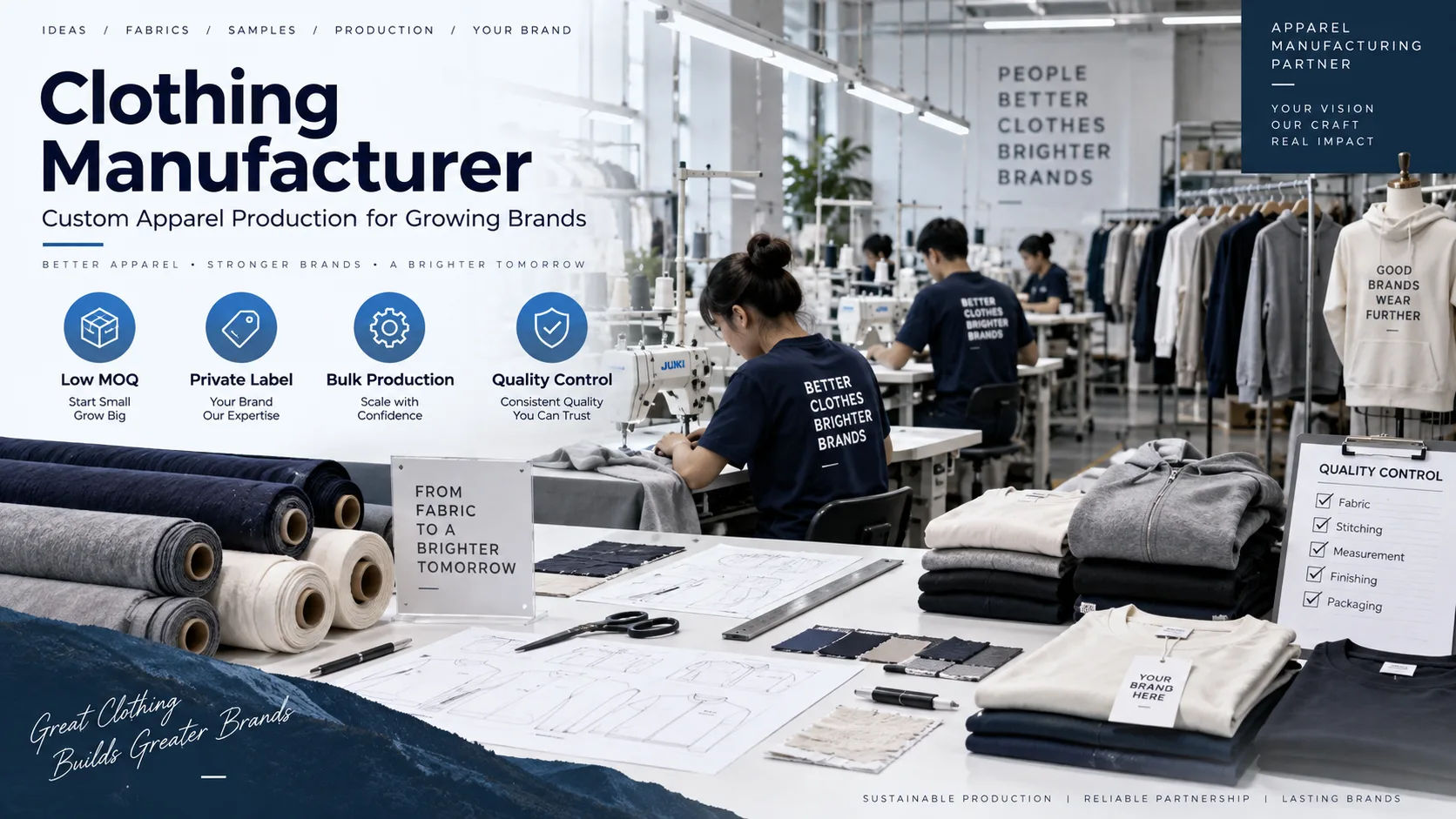
The printing process depends on factors such as the type of fabric, number of shirts, design complexity, colors, desired finish, and budget. A simple logo may require a different technique than a detailed photograph or an all-over graphic.
Understanding how these printing methods work can help you make better decisions when ordering custom apparel. It also explains why two shirts with similar designs can have very different textures, durability, colors, and prices.
What Happens Before Printing?
Printing does not usually begin as soon as the artwork is submitted. A professional custom t-shirt manufacturer first reviews the design and determines how it should be prepared for production.
The artwork may need to be resized, cleaned up, separated into colors, or converted into a suitable digital format. Low-resolution images can create blurry or pixelated prints, so manufacturers often check image quality before production.
The placement also matters. A front chest logo, full-front design, sleeve graphic, and back print all require different positioning measurements.
Artwork Preparation
The manufacturer may work with formats such as PNG, SVG, AI, EPS, or other high-quality files depending on the printing process.
Transparent backgrounds are particularly useful when printing individual graphics on colored shirts. A designer also needs to consider how the colors in the artwork will appear against the color of the garment.
For example, light-colored artwork may not stand out well on a pale shirt. Similarly, dark graphics can lose detail when printed on black fabric unless the appropriate base layer or printing technique is used.
Choosing the Fabric
Fabric selection can influence the final result considerably.
Cotton, polyester, cotton-polyester blends, and specialty fabrics react differently to inks and printing processes. Some printing techniques work especially well on cotton, while others are designed for synthetic materials.
A knowledgeable custom t-shirt manufacturer considers the garment and printing technique together rather than treating them as separate decisions.
Screen Printing
Screen printing is one of the oldest and most widely used methods for decorating T-shirts. It remains popular because it can produce bold, durable designs and is particularly efficient for larger orders.
The process begins by creating a stencil, known as a screen, for each color in the design. Ink is then pushed through the open areas of the screen onto the fabric.
How Screen Printing Works
Each color normally requires its own screen. If a design contains several colors, the artwork must be separated accordingly.
The shirt is placed on a printing press, and the screens are carefully aligned. Ink is pulled across the screen using a squeegee, forcing it through the stencil and onto the garment.
The shirt is then moved through a curing process. Heat helps the ink bond properly to the fabric.
A custom t-shirt manufacturer must maintain accurate registration during this process. If the screens are not aligned correctly, the colors can appear slightly shifted, producing an unwanted blurry effect.
Why Businesses Use Screen Printing
Screen printing is particularly attractive for bulk orders. Once the screens have been prepared, producing additional shirts can become relatively efficient.
The finished print can also have a strong, noticeable appearance. Depending on the ink, the design may feel slightly raised compared with the surrounding fabric.
However, screen printing may not be the most economical choice for a single shirt or a highly detailed design containing many colors.
Direct-to-Garment Printing
Direct-to-garment, commonly called DTG, works more like an inkjet printer than traditional screen printing.
Instead of creating screens, a specialized printer applies ink directly onto the garment. This allows the machine to reproduce detailed artwork and complex color combinations.
The DTG Process
The shirt is positioned on a flat platen and prepared for printing. Depending on the garment and ink system, a pretreatment solution may be applied first.
The shirt is then placed inside the printer. Digital print heads move across the fabric, depositing tiny amounts of ink in precise locations.
After printing, the design is cured using heat so the ink properly bonds with the fibers.
This technique is useful for photographs, illustrations, gradients, and designs with many colors.
A custom t-shirt manufacturer may recommend DTG when the customer wants detailed artwork without the setup requirements associated with traditional screen printing.
Advantages of DTG
One major benefit is flexibility. You can produce relatively small quantities without creating separate screens for every color.
DTG also allows highly detailed artwork to be reproduced with numerous shades and gradients.
The print often has a softer feel because the ink can integrate with the fabric rather than forming a thick layer on top.
Direct-to-Film Printing
Direct-to-film, or DTF, has become another popular method for custom apparel production.
With DTF, the design is printed onto a special film rather than directly onto the shirt. The printed design is then coated with adhesive powder and cured.
The finished transfer is placed on the garment and applied using a heat press.
Why DTF Is Popular
DTF can work across a broad range of fabrics and can produce colorful, detailed graphics. It is also useful for logos, text, illustrations, and designs that need strong color reproduction.
A custom t-shirt manufacturer may choose DTF when an order requires flexibility across different garment types.
The finished graphic generally sits more noticeably on the fabric than a typical DTG print. The exact feel depends on the material, transfer quality, design size, and production settings.
Heat Transfer Printing
Heat transfer printing involves placing a printed or cut design onto the shirt and using heat and pressure to bond it to the fabric.
This category includes several different techniques. Some transfers are digitally printed, while others use cut vinyl or specialized transfer materials.
A heat press applies controlled temperature and pressure for a specific amount of time.
When Heat Transfers Make Sense
Heat transfer methods can be useful for smaller orders, personalized names and numbers, promotional clothing, and designs that require quick production.
They can also make it easier to produce individual variations. For example, a sports team might need the same basic design with different player names and numbers.
A custom t-shirt manufacturer can use heat transfers when customization and flexibility are more important than high-volume production speed.
Sublimation Printing
Sublimation is different from many other T-shirt printing methods because the dye becomes part of the polyester material rather than simply sitting on top of it.
The design is first printed onto specialized transfer paper using sublimation inks. Heat and pressure are then used to transfer the dye into polyester fibers.
Best Fabrics for Sublimation
Sublimation generally works best with polyester or polyester-rich garments, particularly light-colored fabrics.
It is popular for sportswear, activewear, promotional apparel, and all-over designs.
Because the dye becomes integrated into the fabric, the finished design can have a very soft feel.
However, traditional sublimation is not normally the first choice for printing vivid designs onto dark cotton shirts. The fabric and color limitations need to be considered before selecting the process.
Vinyl Printing and Cutting
Vinyl printing involves cutting designs from sheets of specialized material and transferring them onto garments using heat.
This method is especially useful for simple shapes, lettering, numbers, and logos.
The cutting machine follows the digital artwork and removes unwanted material. The remaining design is then positioned on the shirt and pressed with heat.
A custom t-shirt manufacturer may use vinyl when the artwork has clean edges and relatively simple shapes.
Vinyl can create distinctive finishes, including matte, glossy, metallic, or specialty effects, depending on the material used.
How Is the Printing Method Chosen?
There is no single printing method that works best for every project.
A professional manufacturer considers several factors before making a recommendation.
Quantity
Order size can strongly influence the choice.
Screen printing can become increasingly efficient as quantities rise because the initial setup cost is spread across more garments.
Digital methods can be attractive for smaller quantities because they require less physical setup.
Design Complexity
A simple one-color logo may be ideal for screen printing or vinyl.
A photograph with subtle shading may be better suited to DTG or DTF.
A custom t-shirt manufacturer evaluates the artwork before deciding which process will reproduce it most effectively.
Garment Material
Cotton, polyester, blends, and specialty textiles can require different printing approaches.
The manufacturer needs to consider how the ink, adhesive, dye, or transfer material will interact with the fabric.
Desired Finish
Customers may want a soft, almost invisible print or a bold graphic with a noticeable texture.
The printing method influences the appearance and feel of the final product.
How Are Designs Positioned on T-Shirts?
Correct placement is just as important as the printing method.
Manufacturers use measurements and garment guides to determine where the design should sit. Common placements include left chest, center chest, full front, upper back, lower back, sleeves, and pockets.
A professional custom t-shirt manufacturer may use alignment guides or templates to keep designs consistent across an order.
For bulk production, consistency becomes particularly important. A logo that sits two inches lower on some shirts can make an otherwise professional order look poorly produced.
How Does Color Affect Printing?
Color management is another important part of production.
The color displayed on a computer monitor does not always look identical when printed on fabric. Different inks, materials, lighting conditions, and garment colors can change the final appearance.
Manufacturers may use color profiles, test prints, swatches, or physical samples to improve accuracy.
Printing on Dark Shirts
Dark garments often require special consideration.
Some printing techniques use a white underbase beneath colored artwork so the colors remain visible. Without an appropriate base, certain colors may appear dull or transparent.
The thickness of the underbase can also affect the feel of the finished design.
How Is the Print Cured?
Printing is not necessarily finished when ink reaches the fabric.
Many printing systems require curing so the design becomes durable.
The exact curing process depends on the ink or transfer material. Heat, time, pressure, and equipment settings all need to be controlled carefully.
If curing is inadequate, the print may crack, peel, fade, or wash out sooner than expected.
This is one reason working with an experienced custom t-shirt manufacturer can make a difference. Production quality depends not only on the printing machine but also on correct settings and quality control.
How Is Print Quality Checked?
Before shirts are packaged, manufacturers may inspect them for several potential problems.
They can check design alignment, color consistency, print coverage, spelling, garment defects, and overall appearance.
For large orders, samples may be approved before the full production run begins.
Quality control is especially important when the shirts represent a business, organization, event, or brand.
A professional custom t-shirt manufacturer should have a clear process for identifying defective garments before they reach the customer.
What Makes a Printed T-Shirt Durable?
Several factors influence durability.
The printing technique matters, but it is not the only consideration. Ink quality, curing, fabric type, washing habits, design size, and production settings can all affect longevity.
Customers should generally follow the manufacturer's care instructions.
Washing garments according to the recommended temperature and avoiding unnecessarily harsh treatment can help preserve the print.
The way a shirt is dried and stored can also influence its overall lifespan.
Can One Design Use Multiple Printing Methods?
Yes. A single manufacturer may use different techniques depending on the project.
For example, one order could involve screen printing for bulk promotional shirts and DTF transfers for personalized names.
Some manufacturers also combine techniques when a design requires a particular effect.
A custom t-shirt manufacturer with multiple production capabilities can evaluate the project as a whole instead of forcing every order through one printing system.
How Much Does the Printing Method Matter?
Printing is one part of the total cost of custom apparel.
The final price may also depend on the blank shirt, quantity, number of print locations, artwork preparation, number of colors, printing method, finishing requirements, packaging, and shipping.
A cheap printing method is not necessarily the best choice if it produces a result that does not match the intended use.
For a business ordering branded uniforms, for example, consistency and durability may be more important than saving a small amount per shirt.
Questions to Ask a Manufacturer Before Ordering
Before placing a large order, it is sensible to ask how the design will be printed and why that method is recommended.
You can also ask whether a sample is available, what type of garment will be used, how colors will be matched, and what care instructions apply.
Ask about expected durability as well, especially if the shirts will be worn frequently.
An experienced custom t-shirt manufacturer should be able to explain the process in straightforward language rather than simply telling you which option is cheapest.
Conclusion
A printed T-shirt is the result of several carefully controlled steps. The artwork must be prepared correctly, the fabric needs to match the printing method, the design must be positioned accurately, and the ink or transfer must be properly cured.
Screen printing remains a strong option for many bulk orders, while DTG can handle detailed digital artwork. DTF offers flexibility across many garments, heat transfers work well for personalization, sublimation is excellent for suitable polyester fabrics, and vinyl can be effective for simple graphics and lettering.
The best choice depends on the design, fabric, quantity, budget, and desired finish. A capable custom t-shirt manufacturer does not simply print whatever file is submitted. They evaluate the project and select production methods that make sense for the final garment.
Understanding these processes also makes it easier to communicate your expectations. Instead of choosing a printing method based only on price, you can consider appearance, texture, durability, color accuracy, and intended use.
Ultimately, the goal is not just to put an image on a shirt. It is to create a garment where the design looks right, feels appropriate for the fabric, stays attached through normal use, and represents the quality you want people to see. Choosing the right custom t-shirt manufacturer and the right printing process is therefore an important part of achieving that result.