
How does bulk garment manufacturer for startups work?

Starting a clothing brand sounds simple until you have to turn sketches, product ideas, and branding into real garments. A startup needs reliable production, sensible quantities, controlled costs, and consistent quality. This is where a bulk apparel manufacturer for startups can become an important part of the business. 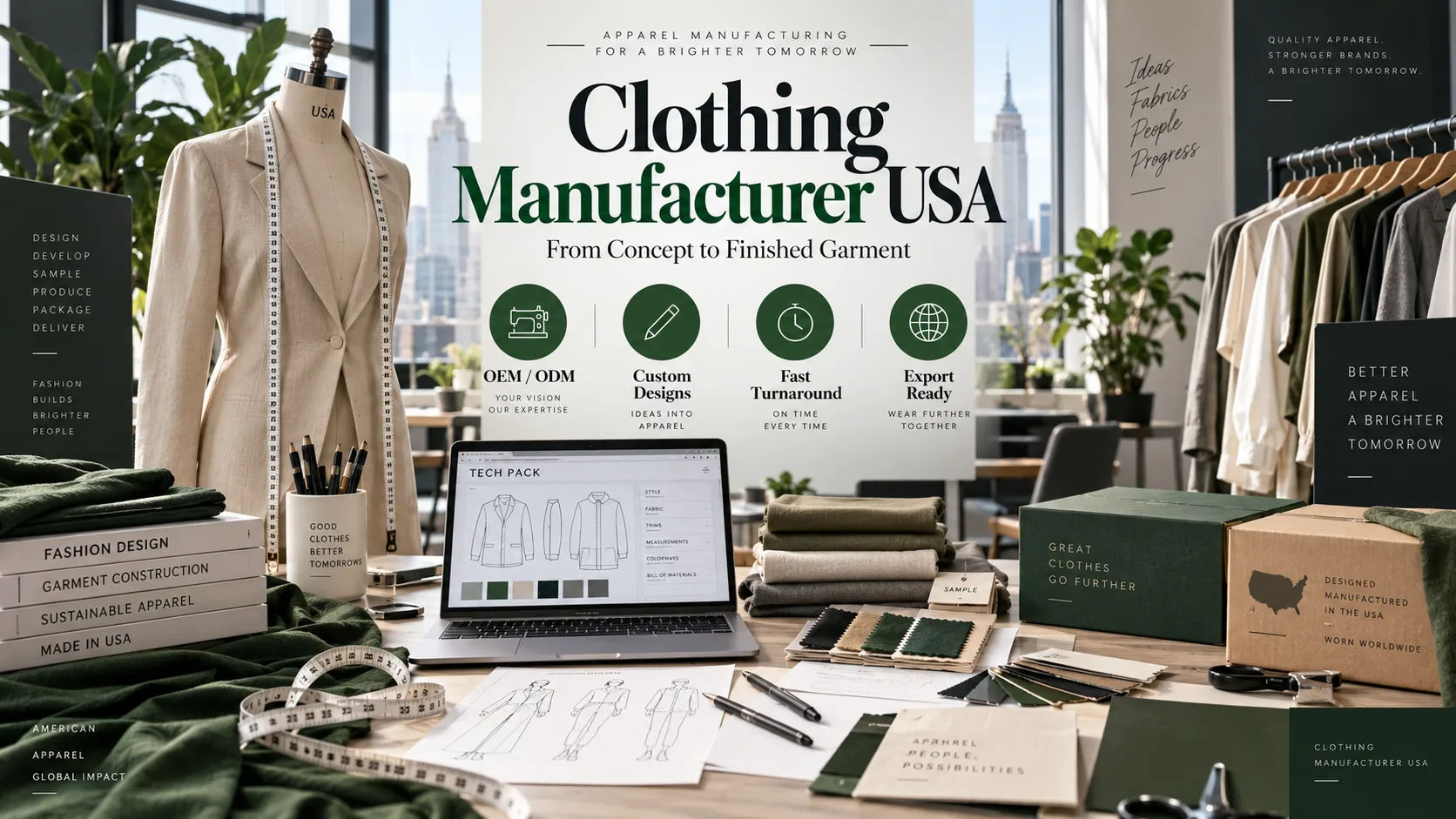 Instead of trying to manage fabric buying, cutting, sewing, printing, finishing, and packing separately, a manufacturer can coordinate much of the process under one production system.
The process usually begins with an idea and ends with finished garments ready for delivery or sale. The important point is that bulk production does not mean a startup has to behave like a huge established fashion company. A good bulk apparel manufacturer for startups works with the brand's actual requirements, including product type, expected quantity, budget, quality level, and launch schedule.
What Does Bulk Garment Manufacturing Mean?
Bulk garment manufacturing is the process of producing a larger quantity of clothing according to a brand's specifications. The garments may include T-shirts, hoodies, sweatshirts, jackets, trousers, uniforms, activewear, or other apparel.
For startups, bulk production usually happens after the design has been finalized and a sample has been approved. The manufacturer then purchases or prepares the required materials and moves the approved design into a production run.
The word "bulk" can be misleading. It does not always mean thousands of pieces. Production quantities depend on the factory, garment type, fabric, customization, and agreement between the manufacturer and the brand.
For many new brands, a bulk apparel manufacturer for startups becomes the bridge between a small design concept and a commercially ready product.
How the Process Starts
The first stage is communication. The startup gives the manufacturer information about what it wants to produce.
This may include technical drawings, reference images, measurements, fabric preferences, colors, logo files, labels, packaging requirements, and expected quantity. The more complete this information is, the easier it is for the manufacturer to provide an accurate quotation.
A bulk apparel manufacturer for startups may also ask questions that a new brand has not considered. For example, should the garment have a relaxed or regular fit? What fabric weight is required? Where should the logo be placed? Should the neck label be printed or sewn? These details affect both price and production.
Design and Tech Pack Review
A professional manufacturer normally reviews the design before production. If the startup has a tech pack, it can include measurements, construction details, color references, stitching instructions, artwork, and labeling information.
The manufacturer checks whether the specifications are practical for production. This is an important stage because a design can look excellent on a screen but create problems when converted into an actual garment.
For example, an oversized hoodie may need different measurements across several sizes. A complicated pocket construction may increase sewing time. A heavy fabric may require different machines or handling methods.
A good bulk apparel manufacturer for startups can identify these production concerns before they become expensive mistakes.
Choosing the Right Fabric
Fabric selection has a major effect on the finished product. Startups sometimes focus heavily on appearance and overlook fabric performance.
A manufacturer can help compare cotton, polyester, blends, fleece, French terry, denim, nylon, and other materials depending on the product.
Important factors include weight, softness, stretch, shrinkage, colorfastness, durability, and intended use. A premium-looking hoodie made with unsuitable fabric may receive poor customer feedback even if the branding is excellent.
A bulk apparel manufacturer for startups may source fabric according to the approved specification or work with fabric supplied by the client. Either way, the exact material should be confirmed before bulk production.
Sampling Comes Before Bulk Production
Sampling is one of the most important steps in apparel manufacturing. The manufacturer creates a physical sample so the startup can evaluate the actual product.
The sample should be checked for fit, fabric, color, stitching, measurements, print or embroidery placement, labels, and overall appearance.
Do not treat sampling as a formality. A small measurement mistake can become a major issue when multiplied across hundreds of garments.
If the sample is not correct, the startup should request changes before approving production. Once the sample is approved, it becomes a practical reference for the production team.
A reliable bulk apparel manufacturer for startups should be comfortable with reasonable sample revisions because getting the first bulk run right is more important than rushing it.
Understanding MOQ
MOQ means minimum order quantity. It is the smallest number of pieces a manufacturer is willing to produce for a particular order or style.
MOQs exist because factories need to cover setup, material purchasing, cutting, machine preparation, labor, and other production costs.
For a startup, MOQ can be one of the biggest decisions. Ordering too much can tie up cash in inventory. Ordering too little can increase the unit price.
A flexible bulk apparel manufacturer for startups may offer different quantity options depending on the product and customization. Startups should ask whether the MOQ applies per style, color, size range, or total order.
Costing and Quotation
After reviewing the design, quantity, and materials, the manufacturer prepares a quotation.
The price can include fabric, trims, cutting, sewing, printing, embroidery, washing, finishing, packaging, and other services. Shipping and taxes may be separate.
Startups should avoid comparing manufacturers using only the lowest price. A very cheap quote can sometimes indicate lower fabric quality, limited quality control, or excluded services.
The better question is what the quoted price actually includes.
A bulk apparel manufacturer for startups should be able to explain major cost components clearly enough for the brand to understand what it is paying for.
Production Planning
After the quote is accepted and the sample is approved, the factory prepares for production.
This involves ordering fabric and trims, scheduling machines and workers, preparing cutting markers, organizing sizes and colors, and confirming artwork or embroidery files.
Production planning matters because apparel manufacturing is a chain. If fabric arrives late, cutting can be delayed. If trims are missing, finished garments may have to wait.
A good production schedule reduces unnecessary interruptions.
The bulk apparel manufacturer for startups should provide realistic production expectations rather than promising an unusually fast turnaround that the factory cannot consistently achieve.
Cutting the Fabric
The cutting stage converts fabric rolls into garment panels.
The factory lays the fabric in multiple layers and uses approved patterns to cut the pieces required for each size. Accurate cutting is essential because incorrect panels can cause fitting and assembly problems later.
Manufacturers also have to think about fabric direction, print alignment, pattern matching, and waste.
For patterned or directional fabrics, cutting can require extra attention. Poor planning may increase material waste and therefore raise production costs.
An experienced bulk apparel manufacturer for startups understands that material efficiency affects both the final price and the consistency of the finished garments.
Sewing and Assembly
Once the pieces are cut, they move into sewing and assembly.
Different operations may be assigned to different workers or machines. One person may attach sleeves, another may sew side seams, and another may install cuffs or pockets.
The exact workflow depends on the garment.
Production efficiency matters here, but speed should not replace quality. Uneven stitching, loose threads, twisted seams, or incorrect measurements can create problems that are expensive to fix later.
For startups, the bulk apparel manufacturer for startups should have a production workflow that can maintain the approved construction across the full order.
Printing, Embroidery, and Branding
Branding is often one of the most visible parts of startup apparel.
Depending on the design, the manufacturer may use screen printing, digital printing, heat transfer, embroidery, patches, woven labels, or other techniques.
Each method has different strengths. Embroidery can provide a premium textured appearance, while certain printing methods are better for detailed artwork or large graphics.
The manufacturer should confirm artwork dimensions, placement, colors, and production method before bulk work starts.
This is another reason sample approval matters. A logo that looks correctly positioned in a digital mockup can appear different on a real garment.
A capable bulk apparel manufacturer for startups can help the brand choose a branding method that fits the garment, design, quantity, and budget.
Quality Control During Production
Quality control should not happen only after everything has been produced.
A reliable factory checks garments at different stages. Workers may inspect fabric before cutting, monitor sewing quality during production, and inspect finished pieces before packing.
Common checks include measurements, stitching, color consistency, print quality, embroidery, stains, holes, loose threads, and construction details.
For a startup, quality consistency is especially important because early customers are forming their first impression of the brand.
A bulk apparel manufacturer for startups that takes quality control seriously can reduce the number of defective pieces and help protect the brand's reputation.
Final Inspection and Packing
After production is completed, garments are inspected and prepared for shipment.
The factory may remove loose threads, fold garments, attach tags, add size stickers, place items into polybags, and prepare cartons.
Packaging requirements should be discussed early. A startup may want individual packaging, branded bags, barcode labels, hangtags, or specific carton quantities.
Small details can matter when products reach customers. Neat presentation makes the brand look more established.
The bulk apparel manufacturer for startups should confirm packaging specifications before the final packing stage rather than assuming every client wants the same presentation.
How Startups Manage Inventory
Bulk manufacturing creates an inventory decision. The startup needs to estimate how many pieces it can realistically sell.
Ordering based only on optimism can create excess stock. Ordering too little can lead to stockouts and missed sales.
A practical approach is to study expected demand, launch size, marketing reach, selling channels, and available cash.
A bulk apparel manufacturer for startups can help a brand plan quantities around production requirements, but the startup remains responsible for its sales forecast.
Lead Times and Delivery
Lead time is the period from production approval to completion and shipment.
It can vary depending on fabric availability, order size, garment complexity, customization, factory workload, and shipping method.
Startups should not plan a product launch around an assumed production time without discussing the schedule with the manufacturer.
It is also wise to leave some buffer for unexpected issues. Fabric delays, rejected samples, production adjustments, or shipping disruptions can happen.
The right bulk apparel manufacturer for startups will communicate the production timeline clearly and explain which factors could change it.
Communication During Production
Good communication can prevent many manufacturing problems.
The startup should have one clear set of approved specifications. Changes should be documented rather than communicated casually through scattered messages.
Important approvals should cover the final sample, measurements, colors, artwork, labels, packaging, quantity, and delivery details.
A bulk apparel manufacturer for startups should also communicate when a problem could affect cost, quality, or timing. Silence during a production problem is much worse than an early warning.
Common Mistakes Startups Make
One common mistake is choosing a manufacturer based only on price.
Another is skipping a proper sample because the startup wants to launch quickly. This can lead to expensive bulk corrections.
Some startups also change specifications after production has started. Even a small change can affect material purchasing, cutting, sewing, and scheduling.
Another problem is ordering too much inventory before testing the market.
Finally, some brands fail to clarify who is responsible for shipping, packaging, rejected pieces, rework, and quality claims.
An experienced bulk apparel manufacturer for startups can help prevent some of these issues, but the startup must still make clear decisions and approve important production stages.
How to Choose a Manufacturer
Start by looking for manufacturing experience relevant to your product category.
Ask about MOQ, sample development, production capacity, quality control, customization, lead times, packaging, and communication.
Review previous work where possible. You want evidence that the manufacturer can consistently produce the type of garment you plan to sell.
A startup should also ask how problems are handled. No production system is perfect. What matters is whether the manufacturer identifies problems quickly and provides a practical solution.
The best bulk apparel manufacturer for startups is not necessarily the largest factory. It is the one whose capabilities, communication style, quality standards, pricing, and production capacity match the startup's needs.
Why the Relationship Matters
Manufacturing works better when the relationship becomes a long-term partnership rather than a one-time transaction.
Once a factory understands a brand's fit, fabric preferences, construction standards, labels, and packaging, repeat orders can become easier to manage.
This can also make quality more consistent. The manufacturer already understands what the brand considers acceptable.
As the startup grows, the relationship may evolve from small production runs to larger seasonal orders.
A dependable bulk apparel manufacturer for startups can become more valuable as the brand introduces new products and increases order volume because the production team already understands its standards.
Conclusion
Bulk garment manufacturing for startups is a structured process that connects design with finished products. It begins with product specifications and costing, moves through fabric selection and sampling, and continues into cutting, sewing, branding, quality control, packing, and delivery.
The biggest lesson for a new clothing brand is that bulk production should never be treated as simply ordering a large number of garments. Every stage affects the next one. A weak tech pack can create sampling problems. Poor fabric selection can damage customer satisfaction. An inaccurate sample can create hundreds of defective pieces. Weak quality control can turn a promising launch into a costly setback.
Working with a capable bulk apparel manufacturer for startups gives a young brand access to organized production without requiring the brand to build its own factory. However, the manufacturer cannot make every business decision for the startup. The brand still needs clear product specifications, realistic quantities, sensible budgeting, proper approvals, and a practical sales plan.
When these pieces work together, bulk manufacturing becomes much easier to manage. The startup can focus on branding, marketing, customer relationships, and growth while the manufacturing partner handles the technical work required to turn approved designs into consistent garments.
The strongest manufacturing setup is therefore not simply the one offering the lowest price. It is the one that provides a workable balance of quality, quantity, communication, timing, and cost. For a growing apparel brand, that balance can make the difference between a stressful production experience and a repeatable system that supports long-term growth.