
The Complete Indoor Air Quality Roadmap Essential Stages for Cleaner Living Spaces

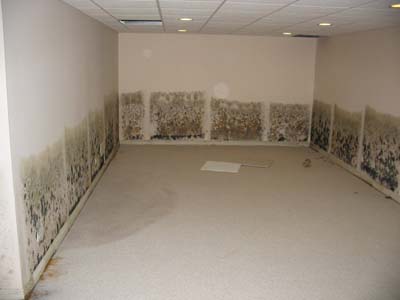
Every breath you take inside your home carries thousands of invisible particles, gases, and microscopic organisms. In coastal regions where high humidity and warm temperatures create an ideal breeding ground for airborne irritants, maintaining healthy Indoor Air Quality becomes an active necessity rather than a passive afterthought. Many homeowners spend months treating mysterious allergy flare-ups, persistent morning headaches, or strange stale odors without realizing that the enclosed environment itself is the root cause. Protecting your living space requires a structured, step-by-step roadmap that diagnoses unseen threats, identifies their sources, and restores a balanced living environment.
Phase One: Identifying the Baseline and Hidden Air Risk Factors
The first stage of managing your indoor air quality begins with a careful evaluation of daily observations and building behavior. Modern construction techniques prioritize energy efficiency by sealing structures tightly, but this tight envelope also traps moisture, volatile organic compounds, and organic particulates indoors. You should watch closely for early warnings, such as persistent moisture around window panes, musty odors that linger in rarely used rooms, or family members whose respiratory symptoms consistently improve whenever they leave the house for an extended period.
Tracking these subtle clues provides a practical timeline of when and where the atmosphere inside deteriorates. Chemical off-gassing from recently installed carpets, fresh coats of paint, manufactured furniture, and everyday household cleaners also degrades indoor air quality over time. When these airborne chemicals mix with the elevated moisture levels common in coastal climates, the burden on your lungs multiplies quickly. Noting the rooms where air feels unusually heavy or where odors tend to concentrate establishes a clear baseline for specialized diagnostics.
Phase Two: Scheduled Independent Air Diagnostics and Sampling
Once physical indicators point toward a potential hazard, the next milestone is scheduling professional diagnostic testing. Reliable data is the foundation of any effective remediation plan, which makes independent evaluation vital. Mold Inspector Sarasota provides specialized indoor air quality testing, mold inspection, and detailed VOC and chemical testing across Sarasota, Bradenton, Lakewood Ranch, Venice, Longboat Key, and Siesta Key. Because this company does testing only and never sells remediation, homeowners receive completely objective, unbiased results without any pressure to purchase expensive repair packages.
During this diagnostic milestone, precise air and surface samples are collected throughout critical living zones and sent immediately to an accredited third-party laboratory. Homeowners receive an exhaustive, easy-to-read report within 24 to 48 hours, highlighting exact spore counts, specific fungal strains, and volatile organic compound concentrations. Because same-week appointments are readily available, you can confirm whether hidden contaminants are circulating through your ductwork without enduring long, stressful waiting periods.
Phase Three: Targeted Environmental Corrections and Source Control
With accurate laboratory findings in hand, you can initiate targeted corrections that attack contamination at its origin. Improving indoor air quality requires eliminating the underlying causes of pollution rather than simply masking unwanted scents with chemical sprays or scented candles. If diagnostic reports identify active mold colonies behind baseboards or within HVAC drip pans, professional remediation can be scheduled with clear protocols established by your independent test findings.
Source control also extends to the chemical makeup of your interior spaces. Removing synthetic air fresheners, switching to fragrance-free cleaning agents, and letting new upholstery off-gas in well-ventilated secondary areas helps lower chemical burdens significantly. Upgrading your central air system with higher-efficiency mechanical filtration catches finer particles, while dedicated dehumidification systems help maintain relative indoor humidity levels below fifty percent. Keeping humidity in check deprives fungal spores and dust mites of the moisture they require to survive, creating an inhospitable environment for biological regrowth.
Phase Four: Long-Term Preservation and Continuous Air Monitoring
The closing phase of the roadmap focuses on protecting the improvements you have established over time. Sustained indoor air quality depends on consistent habits, routine HVAC service, and regular seasonal reviews. Air filters should be checked monthly and replaced promptly, especially during summer months when cooling equipment runs almost continuously. Ensuring proper exhaust ventilation in bathrooms, laundry areas, and kitchens prevents moisture from migrating into wall cavities and attic spaces where undetected microbial growth could easily begin again.
Periodic re-testing is also a sensible practice, particularly after major weather events, plumbing leaks, or significant home renovations. By treating indoor air quality as an ongoing operational cycle rather than a single weekend project, you protect both the structural value of your property and the respiratory health of everyone under your roof.
Securing Lasting Peace of Mind Through Clean Air
Creating a truly healthy home requires patience, scientific verification, and an active commitment to environmental maintenance. When you eliminate guesswork through verified lab testing and address moisture issues proactively, your living space transforms into a sanctuary of clean, refreshing air. Taking deliberate control of your breathing environment today ensures a safer, more comfortable home for years to come.