
How are Sports Wears different from gym clothes?

Choosing the right clothing for physical activity can make a significant difference in comfort, performance, and confidence. Although many people use the terms sportswear and gym clothes interchangeably, they are not exactly the same. Both are designed to support movement, but they serve different purposes depending on the activity, environment, and level of physical effort.
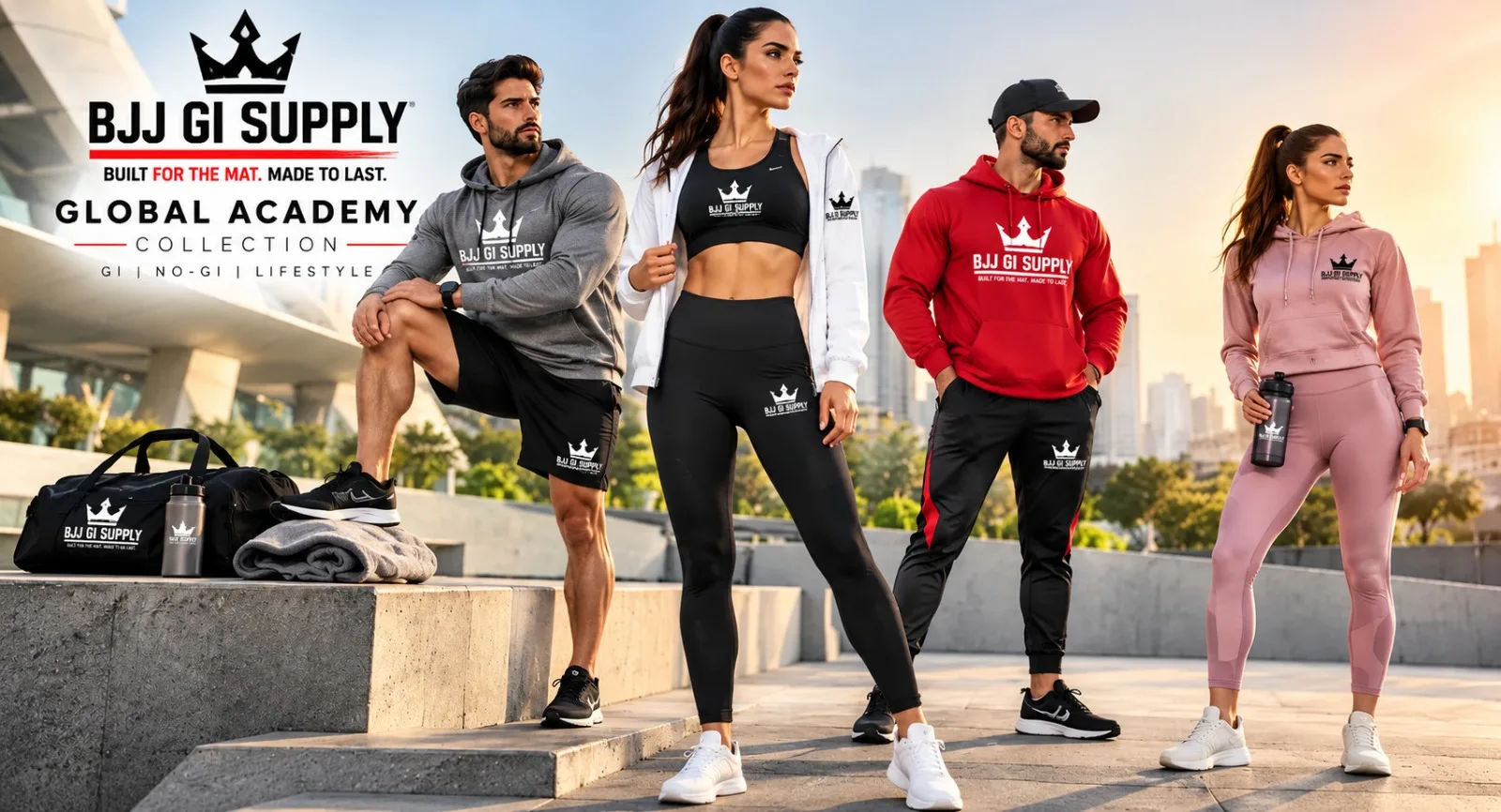
From running and playing football to lifting weights and attending fitness classes, the clothes you wear can affect how comfortably you move. Some outfits are designed for specific sports, while others focus on flexibility, breathability, and support during indoor workouts.
Understanding the difference between Sports Wears and gym clothes helps you make smarter shopping decisions. Instead of buying clothing based only on appearance, you can choose items that suit your training routine, improve comfort, and last longer.
In this comprehensive guide, we will explore their main differences, materials, designs, benefits, and practical uses. We will also explain how to choose the right clothing for different activities, whether you exercise at home, train in a gym, or participate in outdoor sports.
Sportswear and Gym Clothes
Before comparing the two categories, it is important to understand what each one means.
Although they share several features, sportswear generally covers a broader range of athletic clothing, while gym clothes focus mainly on exercise and fitness training.
What Are Sports Wears?
Sportswear refers to clothing designed for sports, athletic activities, and active lifestyles. It includes garments created for activities such as football, basketball, tennis, running, cycling, cricket, and many other sports.
These clothes may be designed to improve mobility, manage sweat, provide support, or protect the body from particular environmental conditions.
For example, a football player may need a lightweight jersey, shorts, and socks that allow unrestricted movement. A cyclist may require close-fitting clothing that reduces wind resistance. A runner may prefer breathable tops and lightweight shorts.
Different sports have different requirements, so sportswear is not limited to one style or material.
What Are Gym Clothes?
Gym clothes are garments primarily designed for exercise sessions, including weightlifting, cardio workouts, stretching, and fitness classes.
Common examples include leggings, workout shorts, tank tops, T-shirts, sports bras, and training joggers.
The main purpose of gym clothing is to help people move comfortably while exercising. It should allow activities such as squatting, stretching, lifting weights, and running on a treadmill without unnecessary restriction.
Gym clothes often feature stretchy materials, moisture-wicking fabrics, and comfortable fits that work well for repeated movements.
Why Do People Confuse Them?
The two categories overlap because many garments can be used for both sports and gym workouts.
For example, a breathable athletic T-shirt may work equally well for running outdoors and lifting weights indoors. Similarly, training shorts can be suitable for a fitness class or a casual game of basketball.
The Sports Wears bjj gi is the intended use. Sportswear may be designed around the demands of a particular sport, whereas gym clothes are generally developed for general fitness and exercise.
1. Differences in Purpose and Function
The most important difference between sportswear and gym clothes is their intended purpose.
Sportswear Is Often Activity-Specific
Sportswear may be designed to meet the demands of a particular activity. The clothing worn by a tennis player, swimmer, footballer, or cyclist can differ significantly because each sport involves different movements and environmental conditions.
A tennis outfit, for example, may include lightweight fabric, comfortable shorts or a skirt, and pockets for tennis balls. A swimmer needs a swimsuit that fits securely and creates minimal resistance in the water.
Similarly, football kits are designed to support running, kicking, and rapid changes in direction.
These features make sportswear particularly useful for people who participate in organized sports or specialized athletic activities.
Gym Clothes Focus on General Exercise
Gym clothes usually prioritize flexibility, comfort, and freedom of movement across different types of workouts.
A single pair of training shorts might be suitable for weightlifting, cycling on a stationary bike, and stretching. A fitted workout shirt can work for strength training, cardio, and circuit training.
This versatility makes gym clothing practical for people who follow varied exercise routines.
However, some gym garments are designed for specific activities, such as compression leggings for running or lifting belts and supportive accessories for strength training. The category is broad, just like sportswear.
2. Differences in Fabric and Materials
Fabric is another important factor when comparing the two categories. The right material helps regulate temperature, manage moisture, and maintain comfort during physical activity.
Materials Commonly Used in Sportswear
Sportswear can use several materials depending on the sport and its requirements.
Polyester is widely used because it is lightweight, durable, and suitable for moisture-wicking designs. Nylon is another popular option because it is strong, smooth, and often resistant to abrasion.
Elastane, also known as spandex or Lycra, is commonly blended with other fibers to provide stretch.
Some sports garments also use specialized fabrics designed for insulation, wind resistance, water resistance, or protection from ultraviolet radiation.
For example, outdoor running jackets may use wind-resistant materials, while cycling garments may use close-fitting stretch fabrics.
The material is selected according to the conditions in which the athlete will perform.
Materials Commonly Used in Gym Clothes
Gym clothes often use polyester, nylon, elastane, cotton, or blends of these fibers.
Stretch is particularly important because gym workouts involve movements such as lunges, overhead presses, squats, and bending.
Cotton can feel soft and comfortable during light exercise. However, it absorbs moisture and may become heavy when soaked with sweat, making it less suitable for intense or prolonged workouts.
Synthetic moisture-wicking fabrics often perform better during demanding sessions because they help move sweat away from the skin and dry relatively quickly.
The best material depends on your workout intensity, personal comfort, and the environment.
3. Differences in Design and Fit
Clothing design affects how freely you can move, how comfortable you feel, and how well the garment performs during exercise.
Sportswear Design Depends on the Sport
Different sports require different cuts and features.
Football jerseys are often loose enough to allow comfortable movement while remaining practical for team uniforms. Cycling jerseys, on the other hand, are usually close-fitting to reduce excess fabric and wind resistance.
Running clothing often emphasizes lightweight construction and reduced friction. Basketball shorts may offer a looser fit to accommodate jumping, sprinting, and rapid changes in direction.
Some sportswear also includes specific design features such as padded cycling shorts, tennis skirts with ball pockets, or compression garments for particular training needs.
These details make sports clothing more suitable for the activity it was designed to support.
Gym Clothes Prioritize Mobility
Gym clothes are usually designed to accommodate a wide range of movements.
Leggings and fitted shorts are popular because they allow the wearer to bend, squat, stretch, and perform other exercises without excess fabric getting in the way.
Workout tops may feature stretch panels, flexible seams, and cuts that allow free movement around the shoulders and arms.
Loose gym clothes are also common, especially among people who prefer a relaxed fit. However, very loose garments may become inconvenient during exercises involving machines or moving equipment.
The ideal fit should support comfortable movement without being excessively tight or restrictive.
4. Differences in Sweat Management and Breathability
Sweat management is essential for anyone who exercises regularly.
When your body becomes warmer during physical activity, sweating helps regulate temperature. Clothing can influence how comfortable you feel as this happens.
Breathability in Sportswear
Sportswear often incorporates ventilation features or moisture-managing fabrics suited to the activity.
Running tops may use lightweight construction and mesh panels to improve airflow. Outdoor training garments may combine breathability with protection from wind or rain.
Team sports can involve intense bursts of activity, so jerseys and shorts need to remain comfortable during repeated periods of exertion.
The exact requirements depend on the sport. A waterproof outer layer, for example, may prioritize weather protection while sacrificing some breathability compared with a lightweight running shirt.
Sweat Control in Gym Clothes
Gym clothes also benefit from breathable materials and moisture-wicking technology.
During strength training, indoor cycling, or high-intensity interval training, sweat can build up quickly. Clothing that dries efficiently may help reduce the uncomfortable feeling of wet fabric against the skin.
Some gym garments include mesh panels or open-knit areas for ventilation.
However, moisture-wicking clothing does not prevent sweating. It helps manage moisture, and its effectiveness depends on fabric construction, fit, airflow, and washing conditions.
Choosing clothing that suits your workout intensity can help you stay more comfortable throughout the session.
5. Differences in Support and Compression
Support is another feature that distinguishes certain types of athletic clothing.
Compression garments fit closely against the body and apply varying degrees of pressure. They are available for sports, gym training, and some recovery-related uses.
Conclusion
Checking sports clothing quality does not require specialist knowledge or expensive testing equipment. By examining the fabric, stitching, flexibility, breathability, fit, colour, and construction details, you can make a more informed decision before buying.
The most important step is to match the garment to your activity. Running, gym training, yoga, cycling, and outdoor sports all place different demands on clothing. A suitable product should provide the right balance of comfort, durability, movement, and moisture management.
When evaluating Sports Wears, do not rely only on brand names, attractive designs, or high prices. Inspect the seams, test the stretch gently, read the care label, and consider feedback from customers who have used the product over time.Understanding the difference between sportswear and activewear makes it easier to choose clothing that fits your lifestyle, activity level, and personal preferences. Although the two categories share many features, their main purposes can differ.