
Is ceramic good for tile installation Jacksonville FL?

Choosing the right flooring material is an important decision for any homeowner. Floors influence the appearance, comfort, durability, and maintenance requirements of a home. Ceramic tile is one of the most popular options because it offers an attractive appearance, dependable performance, and a wide range of design choices. However, is it the right choice for homes in Florida? 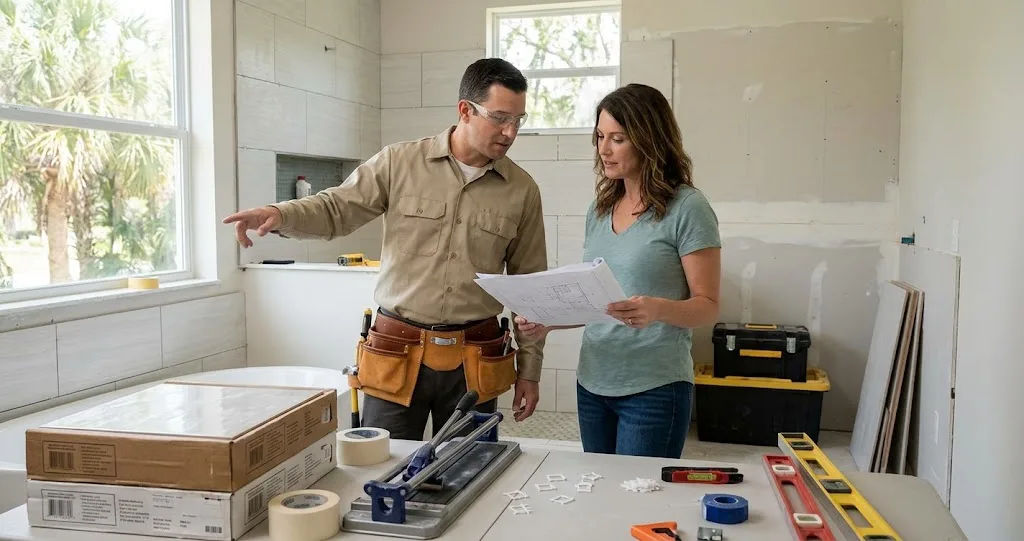 For homeowners considering tile installation Jacksonville FL, ceramic tile deserves serious consideration. Jacksonville experiences warm temperatures, humidity, heavy rainfall, and occasional storms. These conditions make flooring selection especially important. Ceramic tile can handle many of these challenges when homeowners select suitable products and ensure professional installation.
Ceramic flooring is available in different colors, patterns, sizes, and finishes. It can complement traditional homes, modern interiors, coastal-inspired spaces, and contemporary designs. It also provides a practical surface for busy households because it is relatively easy to clean and does not require complicated maintenance.
This comprehensive guide explains the benefits, limitations, costs, installation process, and maintenance requirements of ceramic tile. It will also help you understand whether ceramic is a suitable flooring investment for your Jacksonville home.
Ceramic Tile
Ceramic tile is a manufactured flooring material made primarily from natural clay, minerals, and water. These ingredients are shaped into tiles and fired inside a kiln at high temperatures. The heating process creates a hard surface suitable for residential and commercial applications.
Many ceramic tile installation Jacksonville FL include a glazed surface that provides color, texture, and additional protection. Glazed ceramic tiles are available in countless designs, including stone-inspired patterns, wood-look finishes, geometric shapes, and simple solid colors.
Ceramic tiles are commonly installed in kitchens, bathrooms, laundry rooms, entryways, and other areas where homeowners need durable flooring.
How Ceramic Tiles Are Manufactured
The manufacturing process generally involves several important steps.
First, manufacturers prepare and blend clay with other natural materials. The mixture is shaped into individual tiles using specialized equipment.
Next, the tiles are dried to remove excess moisture. They are then fired in a kiln to develop their strength and hardness.
Some tiles receive a decorative glaze before another firing process. This glaze creates the finished appearance and helps protect the tile surface.
The final product is inspected for quality, dimensions, and surface consistency before being packaged for distribution.
Ceramic Tile vs. Porcelain Tile
Ceramic and porcelain tiles are related materials, but they have different characteristics.
Porcelain is generally manufactured using more refined materials and higher firing temperatures. It also has lower water absorption than standard ceramic tile.
Ceramic tile is often more affordable and offers plenty of attractive designs. Porcelain usually provides greater density and moisture resistance.
For many residential applications, ceramic is an excellent choice. However, porcelain may be more suitable for areas exposed to frequent moisture or demanding conditions.
Why Ceramic Is a Good Choice for Jacksonville Homes
Jacksonville's climate creates specific flooring challenges. High humidity, warm weather, and moisture from outdoor activities can affect certain flooring materials.
Ceramic tile offers several advantages that make it suitable for many Florida properties.
Excellent Moisture Resistance
One of the biggest advantages of ceramic tile is its resistance to moisture.
Glazed ceramic tiles have a protective surface that prevents water from easily penetrating the finished face. This makes them useful in kitchens, bathrooms, laundry areas, and other spaces where occasional spills are common.
However, homeowners should understand that ceramic tile flooring is not automatically waterproof as a complete system.
Water can penetrate through grout joints, poorly sealed transitions, or installation defects. Proper waterproofing is especially important in showers and other continuously wet areas.
With appropriate materials and installation techniques, ceramic tile can provide dependable performance in moisture-prone rooms.
Comfortable During Warm Weather
Florida summers can make indoor temperatures uncomfortable, especially when flooring materials retain heat.
Ceramic tile generally feels cool underfoot because it does not retain heat in the same way as some other flooring materials.
This characteristic can make living rooms, kitchens, hallways, and bedrooms more comfortable during warmer months.
Homeowners who enjoy walking barefoot may particularly appreciate the naturally cool surface.
Durable for Everyday Activities
Ceramic tile is designed to withstand normal household activity.
It can handle regular foot traffic, furniture placement, and everyday use when the correct tile is selected and installed properly.
This makes it suitable for families with children, homeowners who frequently entertain guests, and households with active lifestyles.
Nevertheless, ceramic tile can crack if heavy objects fall onto it or if the underlying floor moves. Proper subfloor preparation is essential for long-term durability.
Easy Cleaning and Maintenance
Another reason homeowners choose ceramic is its relatively simple maintenance routine.
Dust, dirt, and everyday spills can usually be removed using a broom, vacuum designed for hard flooring, or damp mop.
Unlike carpeting, ceramic does not trap large amounts of dust, pet hair, and everyday debris within its surface.
Regular cleaning helps preserve the tile's appearance and prevents dirt from accumulating in grout joints.
Popular Ceramic Tile Designs for Jacksonville Properties
Ceramic tile is available in numerous designs, allowing homeowners to coordinate flooring with their preferred interior style.
Choosing the right appearance can improve the overall atmosphere of a room.
Wood-Look Ceramic Tile
Wood-look ceramic tiles recreate the appearance of natural hardwood.
They are available in oak, walnut, maple, and weathered wood-inspired finishes.
These tiles provide the visual warmth of wood without requiring the same maintenance as natural hardwood flooring.
They work particularly well in living rooms, kitchens, hallways, and open-plan spaces.
Stone-Look Ceramic Tile
Stone-look ceramic tiles imitate materials such as marble, limestone, slate, and travertine.
They can create an elegant appearance without the cost and maintenance requirements associated with some natural stones.
Light-colored stone designs are especially popular in coastal-inspired interiors because they make rooms appear brighter and more spacious.
Large-Format Ceramic Tiles
Large-format tiles are an attractive option for homeowners who prefer a clean, modern appearance.
Because they cover more surface area, they can reduce the number of visible grout joints.
However, larger tiles require careful floor preparation. The subfloor must be sufficiently flat to prevent uneven edges and installation problems.
Patterned Ceramic Tiles
Patterned ceramic tiles introduce personality and visual interest into a room.
They can feature geometric designs, floral patterns, vintage-inspired details, and colorful decorative elements.
These tiles work well in entryways, bathroom floors, kitchen backsplashes, and laundry rooms.
Where Should You Install Ceramic Tile?
Ceramic tile is versatile enough for many areas of a residential property. However, each room has different requirements.
Kitchen Flooring
Kitchens experience frequent spills, food stains, dropped utensils, and heavy foot traffic.
Ceramic tile provides a hard surface that can be cleaned without much difficulty.
Homeowners should consider slip resistance, especially near sinks, dishwashers, and cooking areas.
A textured or appropriately rated matte finish may provide better traction than a highly polished surface.
Bathroom Flooring
Bathrooms are among the most common places for ceramic tile installation.
Ceramic flooring can withstand everyday splashes and humidity when installed correctly.
For bathroom floors, choose a tile with suitable slip resistance. Smaller tiles can also be useful in certain shower applications because additional grout joints may provide more traction.
Remember that shower floors require a properly constructed waterproofing system beneath the tile.
Living Rooms
Ceramic tile can create an attractive and practical living room surface.
Large-format tiles can make an open living area appear spacious and organized.
Wood-look ceramic is another option for homeowners who want a comfortable, natural appearance.
Area rugs can introduce warmth and make tiled living spaces more inviting.
Laundry Rooms
Laundry rooms experience occasional leaks, detergent spills, and moisture from washing machines.
Ceramic tile is a practical option because it is easy to clean and generally handles everyday household moisture well.
Homeowners should still address appliance leaks promptly and ensure that the floor is installed over a suitable substrate.
Entryways and Hallways
Entryways receive dirt, water, sand, and debris from outside.
Ceramic tile provides a convenient surface that can be swept and mopped regularly.
A textured finish can help improve traction when family members enter the home with wet shoes.
What Are the Disadvantages of Ceramic Tile?
Although ceramic tile has many benefits, it is important to understand its limitations before making a purchasing decision.
Every flooring material involves compromises, and ceramic is no exception.
Hard Surface Underfoot
Ceramic tile is a hard material.
Standing for extended periods on ceramic flooring may feel uncomfortable compared with softer materials such as carpet or cushioned vinyl.
Kitchen mats and area rugs can improve comfort in frequently used areas.
Can Crack Under Heavy Impact
Ceramic tile is durable, but it is not completely resistant to damage.
A heavy object dropped onto the surface can cause a chip or crack.
Movement in the subfloor can also create cracks, particularly when the installation lacks proper preparation or support.
Selecting suitable tile and using professional installation techniques can reduce these risks.
Grout Requires Attention
The grout between ceramic tiles can collect dirt and become discolored over time.
Some grout products require sealing, while others are designed to resist stains without additional sealing.
Regular cleaning and appropriate maintenance help preserve the appearance of grout joints.
May Feel Cold in Winter
Although cool flooring is beneficial during Jacksonville summers, ceramic may feel cold during cooler winter mornings.
Area rugs can help improve comfort in bedrooms and living spaces.
Homeowners can also explore radiant floor heating, although the installation cost and suitability depend on the property's design.
The Ceramic Tile Installation Process
Professional installation is important for achieving attractive results and long-term flooring performance.
A successful project involves more than simply placing tiles on the floor.
Step 1: Inspecting and Preparing the Subfloor
The installer begins by examining the existing flooring and subfloor.
The surface must be structurally sound, clean, and sufficiently flat.
Loose materials, dirt, old adhesive, and damaged sections should be addressed before installation begins.
If the subfloor has excessive movement or uneven areas, repairs may be necessary.
Step 2: Selecting the Right Tile and Materials
Homeowners select ceramic tiles according to their preferred appearance, room requirements, and budget.
The installer also identifies the appropriate mortar, grout, underlayment, and other materials.
Using compatible products is essential for achieving a reliable installation.
Step 3: Planning the Tile Layout
The installer measures the room and determines how tiles should be positioned.
A carefully planned layout helps avoid narrow tile cuts along visible walls and creates a balanced appearance.
The installer may also identify the locations of transitions, cabinets, doorways, and other obstacles.
Step 4: Applying Tile Mortar
Once the layout is established, the installer spreads the appropriate mortar over the prepared surface.
A notched trowel helps distribute the mortar evenly.
The tile is then positioned carefully and pressed into place to achieve proper contact.
Step 5: Installing Spacers and Maintaining Alignment
Tile spacers help maintain consistent grout joints.
Installers regularly check the alignment and level of individual tiles.
This step is important because uneven tile edges can create an uncomfortable walking surface and affect the finished appearance.
Step 6: Grouting and Finishing
After the mortar has cured according to the manufacturer's instructions, grout is applied between the tiles.
Excess grout is removed from the surface, and the floor is cleaned carefully.
Movement joints and perimeter gaps should also be addressed where required.
Step 7: Final Inspection
The installer checks the completed flooring for alignment, uneven edges, visible damage, and grout consistency.
Homeowners should receive appropriate cleaning and maintenance instructions before using the newly installed floor.
How Much Does Ceramic Tile Installation Cost in Jacksonville?
The cost of a ceramic flooring project depends on several factors.
There is no single price that applies to every property because room dimensions, tile selection, labor requirements, and preparation work can vary considerably.
Tile Material Costs
Basic ceramic tiles are generally more affordable than premium decorative designs.
Prices may increase for:
-
Large-format ceramic tiles.
-
Decorative or patterned designs.
-
Premium glazed finishes.
-
Specialty shapes and unusual dimensions.
-
Designer collections and custom colors.
Homeowners should compare several options before choosing a product.
Labor Costs
Professional labor is another important part of the project budget.
Installation costs depend on room complexity, tile dimensions, layout patterns, and the condition of the existing floor.
A straightforward rectangular room usually requires less detailed cutting than a room with multiple corners, unusual angles, or built-in features.
Subfloor Preparation
Subfloor preparation can significantly affect the total cost.
Removing old flooring, repairing damaged surfaces, correcting uneven areas, and installing suitable underlayment may require additional labor and materials.
It is important to address these issues rather than installing new tile over an unsuitable surface.
Additional Project Expenses
Homeowners should also consider expenses such as:
-
Tile removal and disposal.
-
Baseboard removal or replacement.
-
Grout and mortar.
-
Waterproofing materials.
-
Floor transitions.
-
Furniture moving.
-
Sealing, where necessary.
Requesting an itemized estimate makes it easier to understand the total project cost.
How to Choose the Right Ceramic Tile Installer
Choosing an experienced contractor is just as important as choosing an attractive tile.
A quality product can still produce disappointing results when installation is rushed or performed incorrectly.
Check Experience and Previous Projects
Look for contractors who have experience installing ceramic flooring in residential properties.
Ask to see photographs of completed projects or examples of similar work.
Previous projects can help you evaluate workmanship, tile alignment, and overall attention to detail.
Ask About Installation Materials
A professional contractor should explain which mortar, grout, and underlayment products will be used.
They should also discuss whether the existing floor requires repairs or additional preparation.
Request a Detailed Written Estimate
A written estimate should explain the expected materials, labor, preparation work, and additional expenses.
Avoid choosing a contractor based entirely on the lowest quoted price.
An unusually inexpensive estimate may leave out important preparation or finishing work.
Discuss Project Scheduling
Ask how long the project is expected to take and when the floor can be used again.
Mortar and grout require appropriate curing time.
Following the installer's instructions helps prevent premature damage.
Verify Relevant Credentials
Homeowners should ask about applicable licensing, insurance, and references.
Confirming these details can provide greater confidence when hiring someone to work inside your property.
Ceramic Tile Maintenance Tips for Long-Term Performance
Ceramic tile is relatively easy to maintain, but regular care helps preserve its appearance.
A consistent cleaning routine also prevents dirt from accumulating in grout joints.
Sweep or Vacuum Regularly
Dust, sand, and small particles can accumulate on tiled surfaces.
Sweep or vacuum regularly to remove debris before it spreads throughout the home.
Use a vacuum attachment designed for hard flooring to avoid scratching the surface.
Use a Mild Cleaning Solution
A damp mop and manufacturer-approved cleaning solution are usually sufficient for routine maintenance.
Avoid harsh chemicals unless the tile manufacturer confirms that they are suitable.
Strong or inappropriate cleaners may damage grout or affect certain tile finishes.
Clean Spills Quickly
Although glazed ceramic surfaces resist many common stains, cleaning spills promptly is still recommended.
This is particularly important for colored liquids, greasy food, and household cleaning products.
Maintain Grout Joints
Inspect grout periodically for discoloration, cracking, or missing sections.
Repairing damaged grout helps maintain the finished appearance and reduces the risk of water reaching vulnerable areas.
Protect Tiles From Heavy Furniture
Use protective pads beneath furniture legs.
Avoid dragging heavy appliances or furniture directly across ceramic flooring.
These simple precautions can help prevent scratches, chips, and impact damage.
Ceramic Tile vs. Other Flooring Materials
Before choosing ceramic, homeowners may want to compare it with alternative flooring options.
Each material offers different advantages.
Ceramic vs. Vinyl Flooring
Vinyl flooring generally feels softer underfoot and can provide a comfortable walking surface.
Ceramic offers a harder surface with a different appearance and durability profile.
Vinyl may be easier to replace in certain situations, while ceramic can provide many years of service when properly installed and maintained.
Ceramic vs. Hardwood
Hardwood creates a natural and traditional appearance.
However, moisture and changes in humidity can affect certain wood flooring products.
Ceramic does not experience the same expansion and contraction characteristics as natural hardwood, making it attractive for many moisture-prone areas.
Ceramic vs. Natural Stone
Natural stone provides unique patterns and textures.
However, some stone products require specialized sealing and maintenance.
Ceramic can imitate many natural stone appearances while generally requiring less demanding routine care.
Ceramic vs. Porcelain
Both materials are suitable for many residential flooring applications.
Ceramic is often more budget-friendly, while porcelain offers lower water absorption and greater density.
The right option depends on the room, expected use, budget, and installation requirements.
Common Mistakes to Avoid When Installing Ceramic Tile
Even high-quality ceramic flooring can develop problems when important installation details are overlooked.
Homeowners should understand the following mistakes before beginning their projects.
Choosing appearance over performance: An attractive tile may not provide sufficient traction for a bathroom or entryway. Consider the intended application before purchasing.
Ignoring subfloor conditions: Installing tile over an unstable or uneven surface can contribute to cracking and uneven edges.
Using unsuitable mortar: Different tiles and installation conditions require compatible bonding materials.
Skipping movement joints: Tile installations need appropriate movement accommodation to help manage expansion and contraction.
Neglecting grout maintenance: Dirty or damaged grout can reduce the appearance and performance of the finished floor.
Hiring without checking references: Inexperienced installation can create expensive problems that might have been avoided through careful contractor selection.
Is Ceramic Tile Worth the Investment for Jacksonville Homeowners?
For many homeowners, ceramic tile is a worthwhile flooring investment.
It offers an appealing combination of affordability, design flexibility, moisture resistance, and everyday durability.
Its cool surface is particularly useful during warm Florida weather, while its relatively simple maintenance routine makes it practical for busy households.
However, the value of ceramic flooring depends on choosing the correct product and installing it properly.
Homeowners should consider the intended room, expected foot traffic, moisture exposure, and available budget before making a decision.
A professional consultation can help identify suitable tile options and determine whether additional subfloor preparation is necessary.
It is also worth comparing ceramic with porcelain if the flooring will experience frequent moisture or demanding use.
Conclusion
Ceramic tile is an excellent flooring option for many Jacksonville homes because it combines attractive designs with practical everyday performance. Its moisture-resistant glazed surface, cool feel, easy cleaning requirements, and broad selection of colors and patterns make it especially appealing in Florida's warm and humid climate.
For homeowners considering tile installation Jacksonville FL, ceramic offers a versatile solution for kitchens, bathrooms, laundry rooms, entryways, and living spaces. It can complement almost any interior design, whether the goal is a traditional appearance, a modern finish, or a relaxed coastal atmosphere.
However, selecting the right tile is only one part of a successful flooring project. Proper subfloor preparation, suitable mortar, accurate tile placement, consistent grout joints, and appropriate movement joints all contribute to long-term performance. Ignoring these details can result in cracked tiles, uneven surfaces, and costly repairs.
Homeowners should also evaluate the disadvantages of ceramic flooring. Its hard surface may feel uncomfortable during extended standing, and individual tiles can crack under heavy impact. Grout requires periodic attention, while smooth finishes may become slippery when wet.
The best approach is to balance appearance, durability, safety, and maintenance requirements. Compare different ceramic products, request detailed installation estimates, and work with an experienced contractor who understands residential flooring requirements.
Ultimately, ceramic tile can provide excellent value when the material matches the intended application and the installation is completed correctly. With thoughtful planning and regular maintenance, homeowners can enjoy attractive, dependable flooring for many years.