
How to choose deep frying pans?

Choosing the right cookware can make a significant difference in your everyday cooking experience. Whether you enjoy preparing crispy chicken, golden fries, fried fish, or homemade snacks, having suitable cookware helps you achieve better results. However, with so many materials, sizes, shapes, and designs available, selecting the right deep frying pans can feel confusing. Understanding their features and benefits makes the buying process much easier.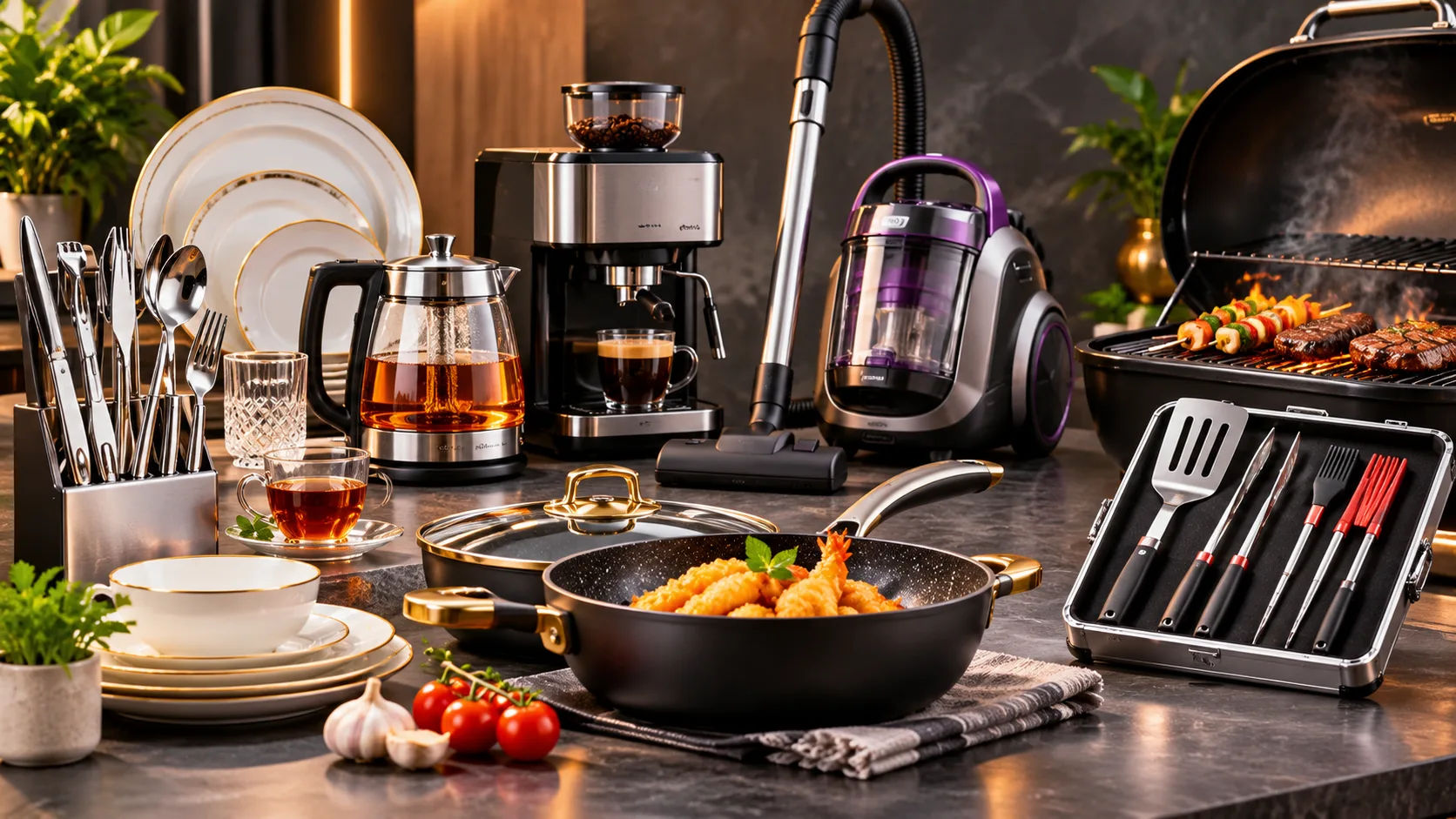
The best cookware should offer more than an attractive appearance. It should distribute heat evenly, provide enough depth for frying, feel comfortable to handle, and remain durable after regular use. Different households also have different cooking requirements. Some people prepare small portions occasionally, while others cook larger meals for families or guests.
This guide explains the most important factors to consider before purchasing frying cookware. From material and depth to handle design, safety, maintenance, and price, understanding these details will help you make a confident decision. By considering your cooking habits and kitchen requirements, you can select cookware that offers convenience, reliability, and long-term value.
Your Cooking Requirements
Before purchasing any cookware, consider how you usually prepare food. Your cooking habits should influence the size, shape, and material you select.
For example, someone who regularly prepares fried chicken may need a deeper and wider pan than someone who occasionally fries vegetables or small snacks.
Think about the following questions:
-
How frequently do you prepare fried foods?
-
How many people do you usually cook for?
-
Do you prepare small snacks or complete family meals?
-
Which type of stovetop do you use?
-
How much storage space is available in your kitchen?
Answering these questions helps narrow down your choices.
Consider Your Cooking Frequency
If you fry food several times a week, durability should be one of your main priorities. Stainless steel, cast iron, and high-quality nonstick cookware can be suitable options depending on your cooking style.
For occasional frying, you may prefer something lightweight and affordable. However, avoid choosing a product based only on its price. A poorly constructed pan may require replacement sooner than expected.
Think About the Types of Food You Prepare
Different foods require different cooking conditions. French fries, chicken wings, fish, and dough-based snacks may need different amounts of oil and cooking space.
A versatile pan with sufficient depth and a broad cooking surface can accommodate several recipes.
2. Choose the Right Pan Material
Material is one of the most important factors when comparing cookware. It influences heat distribution, cooking performance, durability, maintenance, and overall cost.
Understanding the common materials will help you choose an option that suits your kitchen.
Stainless Steel
Stainless steel is a popular choice because it offers durability and resistance to corrosion. It does not usually react with acidic ingredients and can handle regular cooking when properly constructed.
However, stainless steel does not always distribute heat evenly on its own. Look for models with an aluminium or copper core in the base to improve heat distribution.
Stainless steel is particularly useful for people who want long-lasting cookware without relying on a nonstick coating.
Cast Iron
Cast iron is known for excellent heat retention. Once heated, it maintains a relatively stable temperature, which can be helpful when frying foods in batches.
This material is particularly useful for recipes that require consistent heat. However, cast iron cookware is heavy and requires appropriate maintenance.
Traditional cast iron should be seasoned regularly to protect its surface and maintain its cooking performance. It should also be dried thoroughly after washing to reduce the risk of rust.
Aluminium
Aluminium cookware is lightweight and conducts heat efficiently. It heats up relatively quickly, making it convenient for everyday cooking.
Many aluminium models feature nonstick coatings or additional surface treatments. These finishes can make cleaning easier, but their quality and durability vary.
If you choose aluminium cookware, look for a sturdy base that resists warping.
Nonstick Coated Cookware
Nonstick cookware is convenient because food is less likely to stick to its surface. It also requires less effort during cleaning.
However, the coating needs careful handling. Avoid metal utensils, abrasive cleaning products, and excessive heating. Always follow the manufacturer's temperature and maintenance instructions.
3. Select an Appropriate Depth
Depth is especially important when purchasing cookware for deep frying. A shallow pan may be suitable for shallow frying, but it does not provide the same capacity or protection against splashing.
The right depth allows you to add an appropriate amount of oil while leaving enough room for the food.
Why Depth Matters
When food enters hot oil, bubbling and movement occur. If the pan is too shallow, oil may spill over its sides, creating a mess and increasing the risk of burns.
Deeper cookware provides additional space for oil and food movement.
However, greater depth does not automatically mean better performance. You should also consider the diameter, total capacity, and cooking surface.
Check the Available Capacity
A large-capacity pan may be useful for family cooking, but filling it completely with oil is not recommended.
Always leave adequate headroom to accommodate bubbling and food displacement. Follow safe filling guidance provided by the cookware manufacturer.
4. Consider the Size and Diameter
Size determines how much food you can prepare at one time. It also affects storage, handling, and the amount of oil required.
Small cookware is easier to store and may be suitable for individuals or couples. Larger models are more convenient for households that prepare bigger portions.
Small-Sized Pans
Small pans are useful for preparing limited quantities of food. They can also be practical when kitchen storage is restricted.
However, their limited cooking area may make them unsuitable for large portions.
Medium-Sized Pans
Medium-sized cookware provides a useful balance between capacity and convenience.
It is suitable for many everyday recipes, including fried vegetables, fish pieces, chicken portions, and homemade snacks.
Large-Sized Pans
Large cookware is helpful when preparing food for families or gatherings.
However, remember that a larger pan requires more storage space and may need additional oil. It can also become heavier when filled.
Choose a size that matches your regular cooking needs rather than buying the largest available model.
5. Look for Even Heat Distribution
Heat distribution directly affects the quality of fried food.
When the cooking surface heats unevenly, some areas may become hotter than others. This can lead to inconsistent browning and uneven cooking.
A well-designed pan should distribute heat across its base as evenly as its construction allows.
Check the Base Construction
Look for cookware with a thick, stable base. Multi-layer construction can improve heat distribution by combining materials with different thermal properties.
For example, an aluminium core can spread heat efficiently, while a stainless steel exterior provides durability.
Avoid Extremely Thin Cookware
Very thin cookware may heat up quickly, but it can also develop hot spots and become damaged through repeated heating.
A sturdy base generally provides better stability and more predictable cooking performance.
6. Choose Comfortable and Secure Handles
Handles are often overlooked during cookware shopping, but they have an important role in safety and convenience.
A deep frying pan may become heavy when filled with food or oil. Comfortable handles make it easier to lift and control the cookware.
Check Handle Material
Handles may be made from stainless steel, silicone-covered metal, heat-resistant plastic, or other materials.
Each option has different benefits.
-
Stainless steel handles are generally durable.
-
Silicone-covered handles can provide a more comfortable grip.
-
Heat-resistant plastic handles may remain cooler under suitable cooking conditions.
Always check whether the handle is designed for your cooking temperature and stovetop.
Look for Secure Attachments
Handles should be firmly attached to the pan. Loose connections can create serious safety problems.
Riveted and securely fastened handles are common designs. Before buying, inspect the attachment points and check for movement.
Consider Helper Handles
Larger cookware may include a smaller supporting handle on the opposite side.
This feature makes lifting and moving heavier cookware easier, particularly when preparing large meals.
7. Check Stovetop Compatibility
Not every pan works with every cooking surface. Before purchasing cookware, confirm that it is compatible with your kitchen appliances.
Gas Stoves
Most traditional cookware materials can work on gas stoves. However, a stable base is important because direct flames can heat the bottom and sides.
Make sure the pan sits securely on the stove supports.
Electric Stoves
Electric stovetops generally work best with cookware that has a flat and stable bottom.
An uneven base may reduce contact with the heating surface and affect cooking performance.
Induction Cooktops
Induction cooking requires cookware with a magnetic base.
Some stainless steel and cast iron models are compatible, while ordinary aluminium cookware may not work unless it includes an induction-ready layer.
Check the manufacturer's compatibility information before purchasing.
8. Evaluate Nonstick Coatings and Surface Quality
A good cooking surface can make everyday frying more convenient.
Nonstick coatings help reduce food sticking and make cleaning easier. However, not every coating offers the same durability.
Understand Coating Quality
Look for products from manufacturers that clearly explain their coating materials, temperature limits, and care instructions.
Avoid cookware with visible scratches, peeling surfaces, or damaged finishes.
A damaged coating should not be ignored. Follow the manufacturer's advice about when replacement is necessary.
Use Appropriate Cooking Utensils
Wooden, silicone, and other manufacturer-approved utensils can help protect coated surfaces.
Metal utensils may scratch certain coatings, reducing their lifespan.
You should also avoid stacking cookware carelessly because contact between pans can damage their surfaces.
9. Consider Weight and Balance
Weight influences how comfortably you can use cookware.
Heavy materials such as cast iron offer excellent heat retention, but they may be difficult to lift, especially when full.
Lightweight aluminium is easier to handle, although thinner models may not provide the same stability.
Test the Grip Before Buying
If possible, hold the pan before purchasing it.
Check whether the handle feels comfortable and whether the cookware remains balanced when lifted.
The weight should be manageable for the person who will use it most frequently.
Consider Storage Requirements
Heavy cookware may require stronger shelves and additional storage space.
A compact design can be more practical for smaller kitchens.
10. Look for Important Safety Features
Safety should always be a priority when selecting cookware for hot oil.
Deep frying involves high temperatures, and careless handling can cause burns, oil spills, and kitchen fires.
Choose products that provide stable construction and comfortable handling.
Check the Rim Design
A well-designed rim can make pouring and handling easier. Some models feature slightly curved edges that help reduce unwanted drips.
A secure rim also contributes to the overall structure of the pan.
Look for a Stable Base
A stable base reduces the possibility of cookware tipping during use.
The pan should sit securely on the stovetop without wobbling.
Consider a Suitable Lid
Some models include lids that help protect food and reduce splashing during certain cooking activities.
However, never cover a deep-frying pan tightly while food is frying in hot oil. Trapped moisture and steam can create additional hazards.
A lid must never be used to smother or cover an oil fire.
Follow Safe Frying Practices
Never leave hot oil unattended. Keep water away from hot oil because water can cause dangerous splattering.
Dry food ingredients before adding them to the oil, and lower them carefully using appropriate utensils.
If an oil fire occurs, turn off the heat if safe to do so and use an appropriate fire extinguisher or fire blanket. Never pour water on a grease fire.
11. Compare Price and Overall Value
Price is another important factor when selecting cookware. However, the cheapest product is not necessarily the best choice.
A low-cost pan may be suitable for occasional use, but regular cooking requires stronger construction.
Set a Realistic Budget
Determine how much you can comfortably spend before shopping.
Compare products within your budget and consider their material, thickness, capacity, handle construction, and warranty.
Focus on Long-Term Value
A durable product may cost more initially but provide better value over time.
Consider the expected lifespan, maintenance requirements, and availability of replacement parts where relevant.
Do not pay extra simply for attractive packaging or decorative features that do not improve cooking performance.
12. Read Customer Reviews Before Buying
Customer reviews can provide useful information about the everyday performance of cookware.
Product descriptions explain the manufacturer's claims, but customer experiences may reveal practical advantages and disadvantages.
Look for Repeated Feedback
Pay attention to comments about:
-
Heat distribution.
-
Handle comfort.
-
Surface durability.
-
Weight and balance.
-
Cleaning requirements.
-
Resistance to warping.
-
Performance during regular cooking.
One negative review does not necessarily mean a product is poor. Instead, look for repeated complaints that suggest a consistent problem.
Check Warranty Information
A warranty can provide additional confidence when purchasing expensive cookware.
Read the terms carefully to understand what is covered and which types of damage are excluded.
Some manufacturers provide limited warranties against manufacturing defects but do not cover ordinary wear and tear.
13. Understand Cleaning and Maintenance Requirements
Proper maintenance helps cookware remain useful for longer.
Different materials require different cleaning methods, so always follow the manufacturer's instructions.
Cleaning Stainless Steel
Allow the pan to cool before washing it. Use warm water, dish soap, and a non-abrasive cleaning sponge.
For stubborn residue, soaking may help loosen food particles.
Maintaining Cast Iron
Avoid leaving traditional cast iron cookware wet for extended periods.
After cleaning, dry it thoroughly. Apply a thin layer of suitable cooking oil when needed to maintain its seasoning.
Caring for Nonstick Surfaces
Use gentle cleaning materials and avoid abrasive powders.
Allow the cookware to cool before washing, as sudden temperature changes may damage certain products.
Store Cookware Carefully
Store pans in a dry area.
If you stack multiple pieces, use protective separators to reduce scratches and surface damage.
Regularly inspect handles, coatings, and bases to identify problems before they become serious.
14. Common Mistakes to Avoid When Buying Deep Frying Pans
deep frying pans home cooks can make mistakes when choosing cookware. Understanding these common problems can help you avoid unnecessary expenses.
Choosing Only by Appearance
An attractive design does not guarantee good cooking performance.
Always examine material quality, construction, depth, and safety features.
Ignoring Pan Capacity
A pan that is too small may not provide enough cooking space. One that is too large may consume unnecessary oil and storage space.
Select a practical capacity based on your regular meals.
Forgetting Stovetop Compatibility
Purchasing cookware that does not work with your stovetop can lead to disappointment.
Always check compatibility before making a purchase.
Overlooking Handle Quality
Weak or uncomfortable handles can make cooking difficult and potentially dangerous.
Look for strong attachments and an ergonomic grip.
Ignoring Maintenance Instructions
Some materials need special care. Buying cookware without understanding its maintenance requirements may shorten its useful life.
Choose a material that matches the time and effort you are willing to spend on cleaning and maintenance.
15. How to Make the Best Buying Decision
After comparing all the important features, narrow your options to a few suitable products.
Start by identifying the size and depth you need. Then compare materials, heat distribution, handle quality, stovetop compatibility, and price.
You should also consider the manufacturer's reputation and warranty coverage.
When comparing deep frying pans, remember that the best option is not necessarily the most expensive or the one with the most features. It is the product that provides the right balance of performance, safety, convenience, and durability.
For example, a household that fries food regularly may benefit from a sturdy stainless steel or cast iron model. Someone who prefers lightweight cookware and easy cleaning may find a quality aluminium nonstick option more convenient.
The important thing is to select cookware that supports your cooking habits instead of forcing you to adjust your routine around an unsuitable product.
Conclusion
Choosing the right frying cookware requires careful consideration of several important factors. Material, depth, size, heat distribution, handle design, stovetop compatibility, and maintenance requirements all influence how well a pan performs. By understanding these features, you can avoid common buying mistakes and invest in cookware that meets your everyday kitchen needs.
Start by evaluating the types of food you prepare and how frequently you cook. If you regularly prepare large portions, consider a wider model with sufficient depth and a stable base. If you prefer lightweight cookware, aluminium may be a practical option. Stainless steel offers durability, while cast iron provides excellent heat retention. Nonstick cookware can also be convenient when easy food release and cleaning are priorities.
Safety should never be overlooked. Choose cookware with secure handles, a stable base, and suitable construction. Always follow the manufacturer's instructions regarding temperature limits, cleaning methods, and stovetop compatibility. When working with hot oil, maintain safe cooking practices to reduce the risk of spills, burns, and kitchen fires.
It is also worth comparing prices, reading customer reviews, and checking warranty information before making your purchase. These steps can help you identify reliable products and understand their long-term value.
Ultimately, the best deep frying pans are those that combine practical design, reliable performance, comfortable handling, and durability. Taking time to compare your options will help you choose cookware that makes frying easier, safer, and more enjoyable. A thoughtful purchase can become a valuable part of your kitchen for many years.