
Human Resources: Bridging the Gap Between People and Organizational Excellence

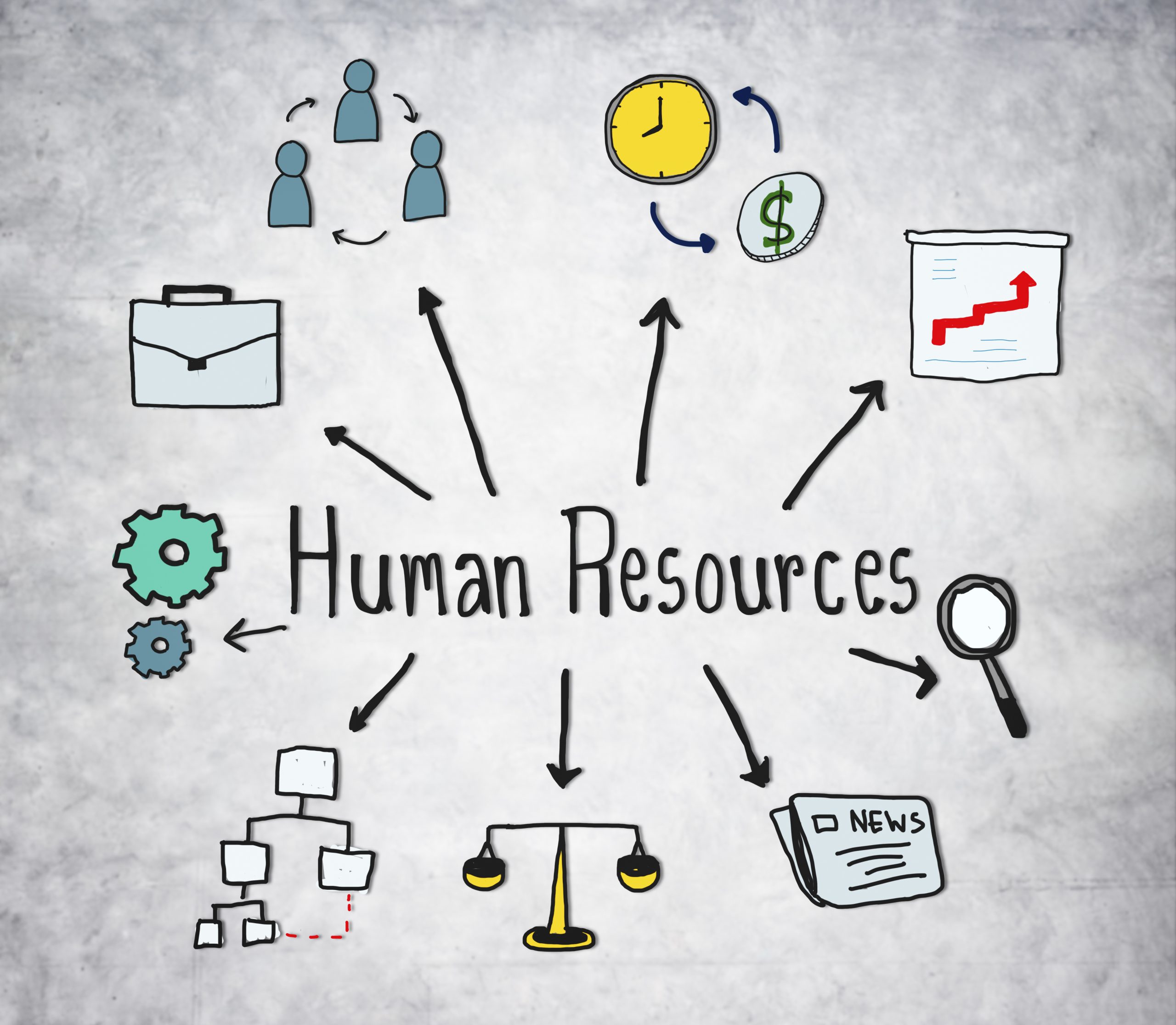
Human Resources (HR) is often described as the backbone of an organization, but in recent years, its role has expanded far beyond administrative functions. Today, HR is a dynamic, multifaceted discipline that plays a strategic role in shaping the direction of businesses, fostering a positive culture, and driving organizational success. HR is no longer limited to recruitment and payroll; it has evolved into a pivotal function responsible for managing an organization’s most valuable asset: its people.
This article explores the modern-day role of HR, its importance in aligning talent with business goals, and how it contributes to building a strong, innovative, and productive workforce.
The Role of HR in Modern Business
In today’s competitive environment, businesses need to innovate continuously and adapt quickly to changing markets and consumer needs. Human Resources plays an essential role in ensuring organizations remain agile, competitive, and capable of meeting these challenges by managing the most critical element — the workforce.
HR acts as a bridge between the business strategy and the people responsible for its execution. It is tasked with creating and fostering an environment where employees can thrive, collaborate, and reach their full potential. The evolution of HR into a strategic function has transformed how companies operate, grow, and develop.
Core Responsibilities of HR in the Modern Workplace
The modern HR department has a broad range of responsibilities, all of which are geared toward improving overall organizational performance and employee satisfaction. Here are the key functions of HR that contribute to the long-term success of a business:
1. Talent Acquisition and Recruitment
Talent acquisition is one of the most important aspects of HR. Without the right people, a company cannot grow or thrive. HR is responsible for developing a strong recruitment strategy that attracts top talent, streamlines the hiring process, and ensures a good fit with the company culture.
In today’s digital world, recruitment has become increasingly data-driven, with tools like Applicant Tracking Systems (ATS), AI-powered recruiting tools, and social media platforms making it easier to find qualified candidates. HR departments also focus on employer branding, ensuring the company’s values and work culture are communicated effectively to prospective employees.
2. Employee Onboarding
Onboarding is a crucial part of employee retention. When new hires feel welcomed and well-prepared, they are more likely to stay with the organization long-term. HR is responsible for creating a comprehensive onboarding process that introduces new employees to company values, expectations, and culture.
Effective onboarding also provides the necessary resources, training, and support to help employees succeed in their roles. HR’s ability to create a smooth and positive transition for new hires lays the foundation for high levels of engagement and productivity.
3. Learning and Development
One of the keys to retaining top talent and maintaining a competitive edge in the market is continuous learning and development. HR is responsible for identifying employees’ skills gaps and providing opportunities for professional growth.
Through training programs, mentorship, workshops, and leadership development, HR helps employees gain new skills and advance their careers within the organization. By encouraging continuous learning, HR ensures the workforce remains adaptable and ready to meet new challenges.
4. Employee Engagement and Well-being
Employee engagement is directly correlated with productivity, retention, and overall satisfaction. HR plays a critical role in fostering a culture of engagement by ensuring employees feel valued, supported, and connected to the organization’s mission and goals.
HR helps create programs that support employees' physical, emotional, and mental well-being, such as wellness initiatives, flexible working arrangements, and support for work-life balance. These programs not only improve morale but also contribute to a more productive and loyal workforce.
5. Performance Management
HR is responsible for overseeing performance management systems that align individual performance with organizational objectives. Traditional annual performance reviews have given way to continuous feedback and development-focused performance management systems.
HR helps establish clear performance goals, facilitates regular check-ins between managers and employees, and ensures that feedback is constructive and developmental. By maintaining an open dialogue around performance, HR helps employees stay engaged and motivated while encouraging growth and improvement.
6. Diversity, Equity, and Inclusion (DEI)
One of the most significant shifts in HR’s role over the past decade has been the increased emphasis on diversity, equity, and inclusion (DEI). DEI initiatives are essential for building a fair and just workplace where all employees, regardless of their background, have equal opportunities for success.
HR is responsible for creating policies and programs that promote diversity and inclusion at every level of the organization. This includes implementing fair hiring practices, fostering an inclusive culture, and providing training to reduce biases. HR also ensures that the organization’s diversity goals are measurable and aligned with its overall business strategy.
7. Compensation and Benefits
A competitive compensation and benefits package is crucial in attracting and retaining top talent. HR is responsible for ensuring that the organization offers fair and competitive salaries, health benefits, retirement plans, and other perks that enhance the overall employee experience.
HR also monitors compensation practices to ensure that they are aligned with industry standards, equitable across all employee demographics, and motivating for top performance. By developing a comprehensive rewards strategy, HR ensures that employees feel valued and fairly compensated for their contributions.
8. Employee Relations and Conflict Resolution
HR is instrumental in maintaining a harmonious workplace. By addressing conflicts and resolving issues between employees or between employees and management, HR ensures that problems are handled quickly and fairly. This helps to prevent disputes from escalating and minimizes disruptions in the workplace.
HR also plays a role in creating a culture of open communication, where employees feel comfortable bringing up issues or concerns without fear of retaliation. Through employee feedback systems, grievance processes, and mediation, HR fosters a positive work environment where employees can thrive.
The Role of Technology in HR
Technology has revolutionized the field of 人力資源管理系統 , streamlining many tasks and enabling HR professionals to work more efficiently and effectively. Some of the key technological advancements impacting HR include:
-
HR Software Solutions: HR software platforms, such as Human Resource Information Systems (HRIS) and Learning Management Systems (LMS), allow HR teams to manage administrative functions, training, employee records, and performance metrics in a centralized and automated way.
-
Artificial Intelligence (AI) in Recruitment: AI-driven recruitment tools help HR teams screen resumes, assess candidate qualifications, and even predict employee success based on data analytics. This technology enables faster and more accurate hiring decisions.
-
Employee Engagement Tools: Platforms that allow employees to provide continuous feedback, participate in surveys, and engage with the organization help HR gauge employee satisfaction, measure engagement levels, and implement strategies to improve the work environment.
-
Data Analytics and People Insights: HR analytics tools allow organizations to track and analyze key metrics, such as turnover rates, employee engagement, and performance trends. Data-driven decision-making helps HR align its strategies with business goals and ensures that the workforce is effectively managed.
The Future of Human Resources
As the workplace continues to evolve, so too does the role of HR. Some of the trends that will shape the future of HR include:
-
Remote and Hybrid Work: The COVID-19 pandemic accelerated the shift toward remote and hybrid work. As businesses continue to adapt to these new working models, HR will play an important role in managing remote teams, ensuring effective communication, and fostering a sense of community in a virtual setting.
-
Focus on Employee Experience: The future of HR will place greater emphasis on the holistic employee experience, from recruitment through to retirement. HR will continue to innovate in creating environments where employees feel supported, motivated, and empowered to succeed.
-
Increased Focus on Mental Health: As the importance of mental health becomes more widely recognized, HR will be expected to implement initiatives that support the emotional and psychological well-being of employees. This could include access to mental health resources, flexible work schedules, and wellness programs.
-
Agile HR: The future of HR will see more flexibility and adaptability in its strategies. Agile HR practices will allow organizations to quickly respond to changing needs and challenges, such as shifts in the workforce or evolving business goals.
Conclusion
Human Resources is a critical driver of organizational success, bridging the gap between an organization’s strategic goals and its people. From recruitment and onboarding to talent development, performance management, and employee relations, HR is responsible for creating an environment where employees can thrive and contribute to the organization’s success.
As HR continues to evolve, its role will remain integral to shaping the future of work. By leveraging technology, promoting employee engagement, and embracing diversity and inclusion, HR will help organizations build resilient, high-performing teams capable of achieving long-term success in an ever-changing business landscape.