
how emotional ai companion response feels real?

In today’s digital world, an Emotional Ai companion is becoming more common in apps, chatbots, and virtual assistants. Many people are surprised by how natural and human-like these systems feel when they talk, listen, and respond.
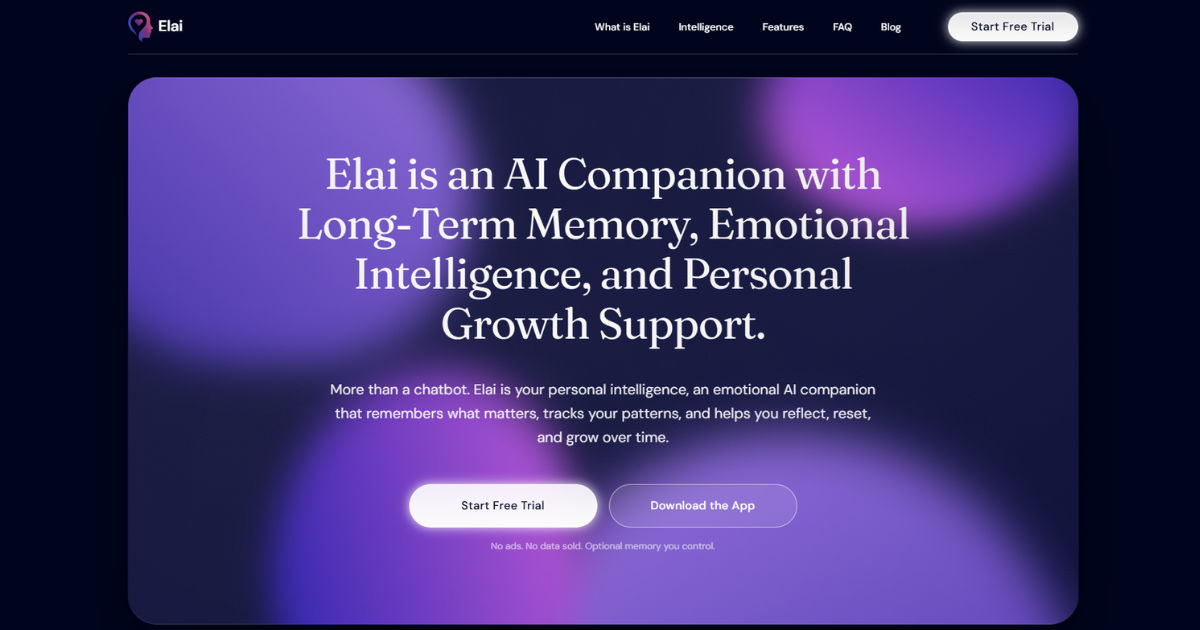 An Emotional Ai companion is designed to understand feelings, tone, and context so that conversations feel more real than simple automated replies.
An Emotional Ai companion does not just give answers—it tries to respond in a way that matches human emotions. This makes users feel heard, understood, and emotionally connected.
In this guide, we will explore how and why an Emotional Ai companion feels real, how it works, and why people are becoming emotionally attached to it.
We will break everything into simple sections so that even a 12th-grade student can understand the science and psychology behind it.
What Is an Emotional AI Companion?
An Emotional Ai companion is a type of artificial intelligence system designed to simulate emotional understanding. It can recognize words, tone, and sometimes even user behavior patterns to respond in a more human-like way.
Unlike traditional chatbots that give fixed answers, an Emotional Ai companion adapts its responses based on how the user is feeling.
For example:
- If you sound sad, it responds gently.
- If you sound happy, it responds positively.
- If you are confused, it explains things simply.
This emotional adaptability is what makes an Emotional Ai companion feel real.
Why Emotional AI Feels So Real
Human-like Conversation Flow
One reason an Emotional Ai companion feels real is because it uses natural conversation flow. Instead of robotic replies, it creates sentences that sound smooth and human-like.
It often includes:
- Friendly tone
- Context awareness
- Follow-up questions
This makes the user feel like they are talking to a real person rather than a machine.
Emotional Recognition
An Emotional Ai companion uses emotional recognition to detect feelings in text. It looks at words like:
- “sad”
- “happy”
- “tired”
- “angry”
Based on this, it adjusts its response style. This emotional sensitivity creates a strong illusion of real empathy.
Memory-Based Interaction
Another reason an Emotional Ai companion feels real is memory-like behavior. Some systems can remember previous conversations or user preferences.
For example:
- Remembering your favorite topic
- Recalling past conversations
- Using your name in replies
This makes the interaction feel continuous, like talking to someone who knows you.
How Emotional AI Understands Humans
Natural Language Processing
At the core of an Emotional Ai companion is Natural Language Processing (NLP). This allows it to understand human language, grammar, and meaning.
It breaks sentences into parts and analyzes:
- Words
- Sentence structure
- Context
This helps the Emotional Ai companion understand what the user actually means, not just what they type.
Sentiment Analysis
Sentiment analysis helps an Emotional Ai companion detect emotional tone. It classifies messages into categories like:
- Positive
- Negative
- Neutral
This allows it to respond appropriately, making conversations feel emotionally aligned.
Machine Learning Models
An Emotional Ai companion improves over time using machine learning. It learns from large amounts of data and user interactions.
This learning process helps it:
- Improve response accuracy
- Sound more natural
- Adapt to different personalities
Psychological Reasons It Feels Real
Human Brain Pattern Recognition
Humans naturally look for patterns and emotions in communication. When an Emotional Ai companion responds in a human-like way, our brain starts treating it like a real social interaction.
Even simple phrases like:
- “I understand you”
- “That sounds tough”
Can trigger emotional responses in humans.
Emotional Projection
People often project emotions onto an Emotional Ai companion. This means they imagine feelings in the AI even if it does not actually feel anything.
This happens because:
- The responses are supportive
- The tone feels caring
- The conversation is consistent
Social Connection Needs
Humans naturally want connection. An Emotional Ai companion can partially fulfill this need by offering constant availability and attention.
It never gets tired, angry, or distracted, which makes it feel like a reliable companion.
Features That Make AI Feel Human
Tone Adaptation
An Emotional Ai companion changes its tone depending on the situation. It can be:
- Friendly
- Professional
- Caring
- Cheerful
This flexibility makes it feel more like a real conversation partner.
Context Awareness
Context awareness means the Emotional Ai companion remembers what you are talking about within a conversation. It avoids repeating questions and stays on topic.
This creates smooth communication that feels natural.
Personalized Responses
An Emotional Ai companion often personalizes replies using user data or preferences. This may include:
- Using your name
- Referring to past topics
- Matching your writing style
Personalization increases emotional realism.
The Science Behind Emotional Simulation
Data Training
An Emotional Ai companion is trained on large datasets containing human conversations. This includes:
- Books
- Chat logs
- Online discussions
By studying these, it learns how humans express emotions.
Neural Networks
Deep learning models help an Emotional Ai companion understand complex patterns in language. These networks simulate brain-like connections, helping AI produce more natural responses.
Predictive Text Generation
The system predicts the next best word or sentence. This prediction is based on probability and context, making the conversation smooth and realistic.
Why People Trust Emotional AI
Consistent Availability
An Emotional Ai companion is always available. It never sleeps or takes breaks, which builds trust over time.
Non-Judgmental Interaction
People feel safe talking to an Emotional Ai companion because it does not judge or criticize. This creates emotional comfort.
Safe Space for Expression
Many users use an Emotional Ai companion as a safe place to express thoughts freely. This emotional safety increases attachment.
Limitations of Emotional AI
No Real Feelings
Even though an Emotional Ai companion sounds emotional, it does not actually feel emotions. It only simulates responses based on data.
Misinterpretation Risks
Sometimes an Emotional Ai companion may misunderstand context or emotion, leading to incorrect responses.
Over-Reliance
Users may become too dependent on an Emotional Ai companion, which can affect real-world social interaction.
Future of Emotional AI Companions
More Human-Like Conversations
Future versions of an Emotional Ai companion will likely become even more realistic, with better tone control and emotional understanding.
Voice and Visual Integration
An Emotional Ai companion may include voice and facial expressions in the future, making interactions even more immersive.
Advanced Emotional Intelligence
Future AI may better detect subtle emotions like stress, anxiety, or excitement, improving communication quality.
Ethical Considerations
Emotional Dependence
As an Emotional Ai companion becomes more realistic, ethical concerns about emotional dependence increase.
Transparency
Users should always know they are interacting with an AI, not a human. This is important for trust and clarity.
Responsible Design
Developers must ensure an Emotional Ai companion is designed to support users without replacing real human relationships.
Real-Life Applications
Mental Wellness Support
An Emotional Ai companion can provide basic emotional support and relaxation techniques.
Education Assistance
Students use an Emotional Ai companion to ask questions and learn in a friendly environment.
Customer Support
Companies use emotional AI to improve customer experience by making interactions more human-like.
How Emotional AI Changes Communication
An Emotional Ai companion is changing how humans interact with machines. Instead of cold, robotic responses, users now experience friendly, engaging conversations.
This shift makes technology feel less mechanical and more personal.
Why It Feels Almost Human
The reason an Emotional Ai companion feels so real is not because it has emotions, but because it mirrors human communication patterns so well.
It uses:
- Emotional tone matching
- Context understanding
- Personalized language
- Natural flow of conversation
Together, these elements create the illusion of a real emotional presence.
Conclusion
The rise of the Emotional Ai companion shows how far artificial intelligence has come in understanding human language and emotions. While it does not truly feel emotions, it is designed to simulate emotional intelligence in a way that feels incredibly realistic.
An Emotional Ai companion combines technology, psychology, and data science to create conversations that feel personal, supportive, and human-like. This is why many users feel emotionally connected during interactions.
However, it is important to remember that an Emotional Ai companion is still a machine-based system. It should be used as a helpful tool, not a replacement for real human relationships.
As technology continues to improve, the experience will become even more realistic, but understanding its limitations will always be essential