
How Packaging machine manufacturer tests machines?

A Packaging machine manufacturer plays a critical role in ensuring that every machine delivered to industries like food, pharmaceuticals, cosmetics, and logistics performs with accuracy, safety, and long-term durability.
A modern Packaging machine manufacturer does not simply build machines; it builds trust through strict testing processes and quality control systems. Every step, from raw material selection to final installation, is checked carefully.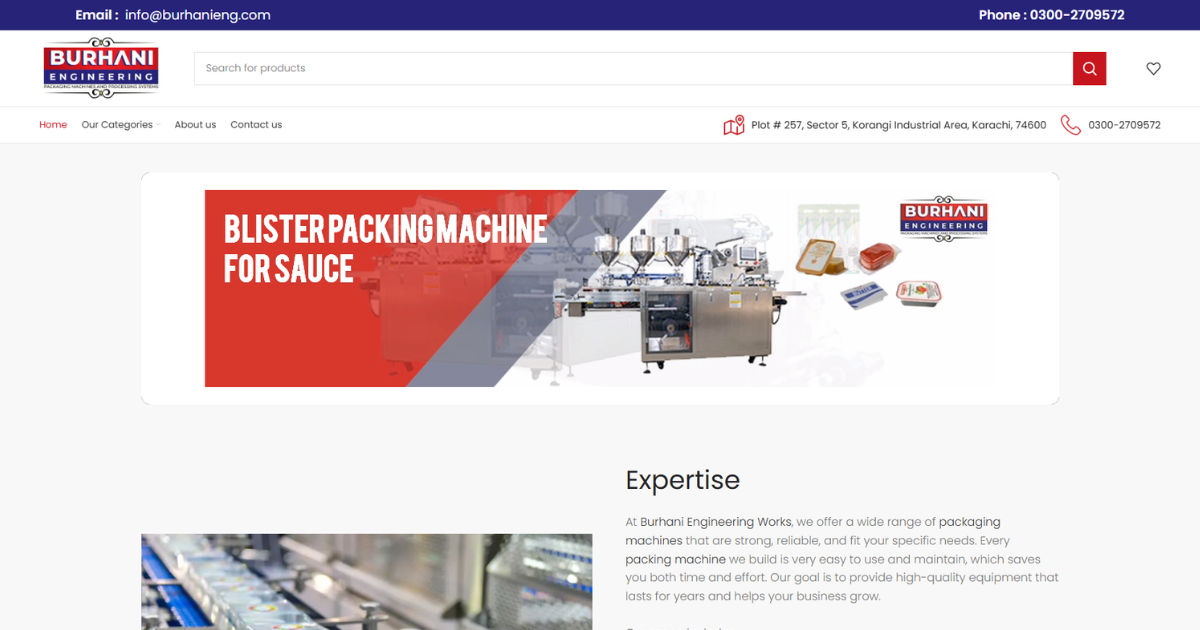
In today’s competitive industrial world, a Packaging machine manufacturer must ensure that machines can handle high-speed production, maintain consistency, reduce waste, and operate safely under continuous use. Because of this, testing becomes one of the most important stages in the entire manufacturing process.
This guide explains in detail how a Packaging machine manufacturer tests machines, what methods are used, and why these tests are essential for performance and reliability.
Machine Testing in Packaging Industry
Machine testing is the process of checking whether a packaging machine performs exactly as designed. A Packaging machine manufacturer uses testing to confirm that every part works correctly under real production conditions.
Testing ensures:
- Machines run at correct speed
- Packaging quality is consistent
- Components are safe and durable
- Software and automation systems function correctly
A Packaging machine manufacturer understands that even a small error in testing can lead to major production losses for clients. That is why testing is done in multiple stages.
Importance of Testing for Packaging Machines
A professional Packaging machine manufacturer focuses heavily on testing because packaging machines are used continuously for long hours in industries.
Key reasons testing is important:
1. Ensures Product Safety
A Packaging machine manufacturer ensures that machines do not contaminate products, especially in food and pharmaceutical industries.
2. Improves Machine Lifespan
Proper testing increases durability and reduces breakdown risks.
3. Maintains Efficiency
Machines must run at high speed without errors.
4. Reduces Maintenance Costs
A well-tested machine reduces repair and downtime costs.
5. Builds Customer Trust
A reliable Packaging machine manufacturer earns long-term clients through quality assurance.
Types of Testing Used by Packaging Machine Manufacturer
A modern Packaging machine manufacturer uses multiple types of testing methods to ensure complete reliability.
Mechanical Testing
This checks all moving parts like motors, belts, gears, and rollers.
Electrical Testing
Electrical systems, wiring, and control panels are tested for safety and performance.
Software Testing
Automation systems, PLC programming, and sensors are checked.
Performance Testing
Machine output speed, accuracy, and consistency are measured.
Durability Testing
Machines are tested for long working hours to ensure long-term performance.
Each Packaging machine manufacturer may customize these tests depending on machine type and industry requirements.
Step-by-Step Testing Process
A professional Packaging machine manufacturer follows a structured testing process to ensure accuracy and reliability.
Step 1: Raw Material Inspection
Before assembly begins, a Packaging machine manufacturer checks all raw materials like steel, aluminum, and electronic components.
This ensures:
- High-quality structure
- Strong resistance to wear and tear
- Compliance with industrial standards
Step 2: Component Testing
Each part is tested individually. A Packaging machine manufacturer ensures that motors, sensors, and controllers meet performance standards before installation.
Step 3: Assembly Line Testing
Once components are assembled, the machine is tested as a complete unit.
A Packaging machine manufacturer checks:
- Mechanical movement
- Electrical connections
- Safety switches
- Alignment of parts
Step 4: Dry Run Testing
In this stage, the machine runs without actual packaging material.
A Packaging machine manufacturer uses this test to identify:
- Noise issues
- Vibration problems
- Timing errors
Step 5: Live Production Testing
Here, real packaging materials are used. A Packaging machine manufacturer checks how the machine handles real production conditions.
This includes:
- Filling accuracy
- Sealing quality
- Labeling precision
Factory Acceptance Test (FAT)
One of the most important stages for a Packaging machine manufacturer is the Factory Acceptance Test.
FAT ensures that the machine works correctly before it is shipped to the customer.
FAT Includes:
- Full machine operation test
- Speed and output measurement
- Safety inspection
- Customer requirement verification
A Packaging machine manufacturer often invites the client to observe this test.
Site Acceptance Test (SAT)
After installation at the customer’s location, a Packaging machine manufacturer performs SAT.
This test ensures:
- Machine works in real environment
- Installation is correct
- Operators can use the machine easily
A Packaging machine manufacturer ensures smooth transition from factory to production site.
Performance and Speed Testing
Speed is critical in packaging industries. A Packaging machine manufacturer tests machines at different speed levels.
What is measured:
- Output per minute
- Error rate
- Stability at high speed
A reliable Packaging machine manufacturer ensures that speed does not reduce quality.
Stress Testing and Load Testing
Stress testing is used to check how machines perform under extreme conditions.
A Packaging machine manufacturer runs machines:
- At maximum capacity
- For long continuous hours
- With heavy workloads
This helps ensure that machines do not fail during real production.
Durability and Lifespan Testing
A professional Packaging machine manufacturer tests how long machines can operate without major issues.
Durability tests include:
- Continuous operation cycles
- Heat resistance
- Wear and tear analysis
This ensures long-term reliability for industries.
Electrical Safety Testing
Safety is a top priority for every Packaging machine manufacturer.
Electrical testing includes:
- Voltage stability
- Short circuit prevention
- Emergency stop function
- Insulation checks
This prevents accidents and protects operators.
Automation and Software Testing
Modern machines are highly automated. A Packaging machine manufacturer must test software systems carefully.
This includes:
- PLC programming accuracy
- Sensor response time
- Touch screen interface testing
- Error detection systems
Companies like Syntegon Technology and IMA Group are known for advanced automation systems that require strict testing procedures.
Hygiene and Cleanliness Testing
In food and pharmaceutical industries, hygiene is critical. A Packaging machine manufacturer ensures machines meet sanitation standards.
Testing includes:
- Easy cleaning design
- Food-safe material validation
- Contamination prevention
Companies such as Bosch Packaging Technology follow strict hygiene standards for sensitive industries.
Calibration Testing
Calibration ensures machines perform with accuracy. A Packaging machine manufacturer calibrates:
- Filling volume
- Sealing temperature
- Cutting precision
Without calibration, packaging errors can increase significantly.
Vibration and Noise Testing
Excess vibration or noise indicates mechanical issues. A Packaging machine manufacturer performs tests to ensure smooth operation.
Benefits include:
- Better machine stability
- Reduced wear and tear
- Improved workplace environment
Real-World Simulation Testing
A Packaging machine manufacturer often simulates real production environments in the factory.
This includes:
- Running machines for full shifts
- Using different product types
- Testing under variable conditions
This ensures machines are ready for real industrial use.
Quality Control Standards
Every Packaging machine manufacturer follows strict quality standards such as:
- ISO certifications
- Industry safety regulations
- Internal quality benchmarks
Quality control ensures consistency across all machines.
Companies like Krones are known for high-quality engineering and strict testing standards.
Final Inspection Process
Before delivery, a Packaging machine manufacturer performs a final inspection.
This includes:
- Visual inspection
- Functionality check
- Documentation review
- Packaging for shipment
Only after passing all tests is the machine approved for delivery.
Role of Skilled Engineers in Testing
A Packaging machine manufacturer depends heavily on skilled engineers.
Engineers are responsible for:
- Testing accuracy
- Identifying defects
- Improving performance
- Ensuring safety compliance
Their expertise ensures machines meet global standards.
Common Challenges in Machine Testing
A Packaging machine manufacturer faces several challenges:
- Complex machine design
- High-speed production requirements
- Integration of electronics and mechanics
- Custom client requirements
Despite these challenges, testing ensures reliability.
Benefits of Proper Testing
A well-tested machine from a Packaging machine manufacturer provides:
- Higher productivity
- Reduced downtime
- Better packaging quality
- Longer machine lifespan
- Increased customer satisfaction
Future of Packaging Machine Testing
Technology is changing how a Packaging machine manufacturer tests machines.
Future trends include:
- AI-based predictive testing
- IoT-enabled monitoring
- Automated quality control
- Digital twin simulations
These innovations will make testing faster and more accurate.
Conclusion
A professional Packaging machine manufacturer does much more than build machines—it ensures every machine is tested for performance, safety, durability, and efficiency. From raw material inspection to final delivery, every stage involves strict quality checks.
Testing is the backbone of reliability. Without it, even the most advanced machines would fail in real-world conditions. That is why every Packaging machine manufacturer invests heavily in testing systems, skilled engineers, and advanced technology.
Whether it is mechanical testing, software validation, or real-world simulation, each process ensures that the final machine meets global industrial standards. Companies like Bosch Packaging Technology, IMA Group, and Krones demonstrate how serious testing leads to world-class packaging solutions.
In the end, a reliable Packaging machine manufacturer earns trust not just by building machines, but by proving through testing that those machines can perform flawlessly in real production environments.