
How should I prepare for a urine test?

When people search how should I prepare for a urine test, one of the most common concerns they also have is how long does pee last for a drug test.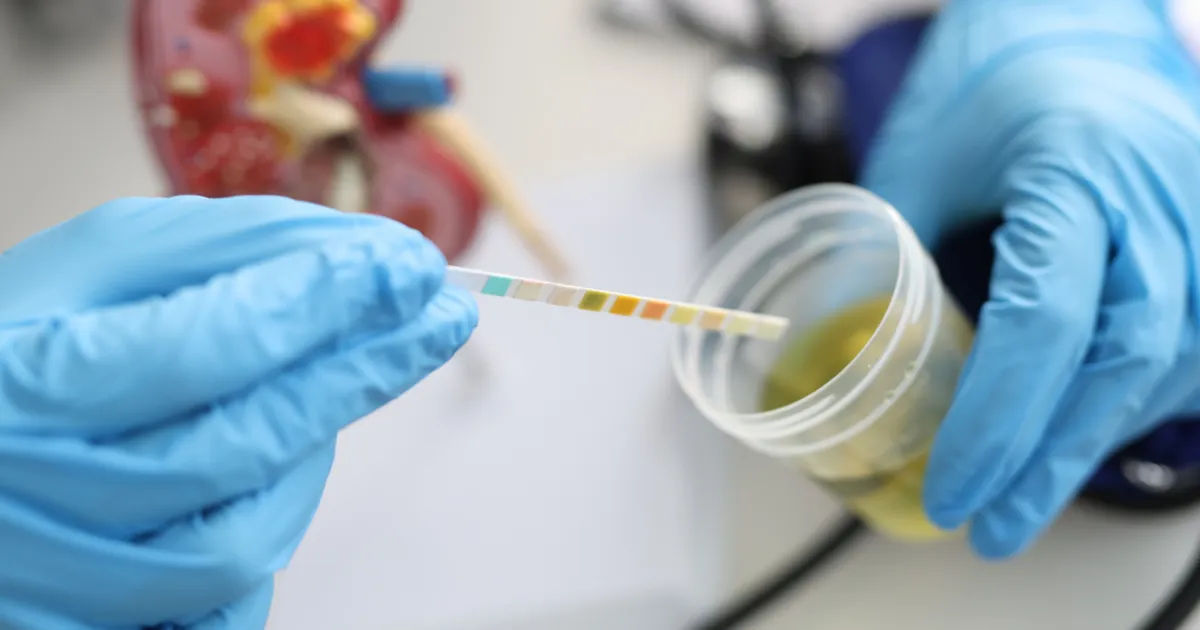
This question often comes up because urine testing is widely used in workplaces, hospitals, and legal settings, and people want to understand how the process works and what affects results.
In this guide, you will learn everything you need to know about preparing properly, what to expect, common mistakes to avoid, and how the body naturally affects urine test outcomes, including factors like how long does pee last for a drug test. The focus is on clear, simple explanations suitable for a 12th-grade reading level.
A Urine Test
A urine test is a medical or screening procedure that analyzes your urine to detect health conditions, infections, or substances in the body. Doctors commonly use it to check kidney function, diabetes markers, infections, and hydration levels.
In many non-medical settings, people are also curious about how long does pee last for a drug test, because urine can sometimes contain traces of substances the body has processed. However, the purpose of the test is not just about detection—it is about understanding what is happening inside the body at that moment.
Urine is made by filtering waste products from the blood through the kidneys. Because of this, it can reveal a lot about a person’s health status.
Why Urine Tests Are Common
Urine tests are widely used because they are:
- Non-invasive and painless
- Quick to perform
- Relatively low cost
- Reliable for many conditions
Many people preparing for medical exams or screenings also ask how long does pee last for a drug test because timing and detection windows can vary depending on hydration, metabolism, and other biological factors.
Doctors prefer urine tests because they provide a snapshot of what is happening in the body without needing complex procedures.
How the Urine Test Works
Understanding the process helps reduce anxiety and confusion. Typically, the process includes:
Sample Collection
You are given a sterile container to provide a urine sample. Clean-catch methods are often used to reduce contamination.
Laboratory Analysis
The sample is analyzed for:
- Color and clarity
- pH level
- Protein, glucose, and ketones
- Presence of bacteria or abnormal substances
People often wonder how long does pee last for a drug test because once urine is produced, it carries metabolic waste that reflects recent bodily activity.
Reporting Results
Results are usually available within hours or a few days depending on the test type.
How to Prepare for a Urine Test
Proper preparation helps ensure accurate results. If you are wondering how should I prepare for a urine test, the following steps are essential.
Stay Hydrated, But Not Overhydrated
Drinking enough water helps your kidneys function properly. However, drinking excessive water right before a test can dilute urine, which may affect results.
Balanced hydration supports natural urine concentration levels, which is important when considering how long does pee last for a drug test in terms of detectability and consistency.
Follow Dietary Guidelines
Some urine tests require dietary restrictions. You may be advised to avoid:
- High-sugar foods
- Caffeine before testing
- Alcohol (if relevant to test purpose)
Diet affects urine composition and can influence test accuracy.
Inform About Medications
Always inform your healthcare provider about any medications or supplements you are taking. Some substances can naturally alter urine results.
This is important because people often misunderstand how long does pee last for a drug test and assume all results are influenced only by external substances, when in fact medications can also play a role.
Maintain Normal Routine
Avoid extreme lifestyle changes before the test. Sudden fasting, dehydration, or overexercising may change urine chemistry.
A stable routine ensures more reliable results.
What to Avoid Before a Urine Test
Certain behaviors can interfere with test accuracy:
- Excessive water intake
- Using unprescribed substances
- Skipping meals
- Ignoring medical instructions
These factors may not directly change how long does pee last for a drug test, but they can affect how urine appears and is interpreted in a lab setting.
Factors That Affect Urine Test Results
Several biological and environmental factors influence urine test outcomes.
Hydration Level
Well-hydrated individuals may produce lighter urine, while dehydrated individuals may have darker, more concentrated urine.
Metabolism
A faster metabolism processes substances more quickly, affecting what appears in urine.
Kidney Function
Healthy kidneys filter waste efficiently, while impaired kidneys may change urine composition.
Time Since Intake
One of the most important considerations in how long does pee last for a drug test is timing. The body processes substances at different speeds depending on many internal factors.
Common Misconceptions About Urine Tests
Many myths exist about urine testing. Let’s clarify a few.
Myth 1: Drinking Water Can Always Alter Results
While hydration affects urine concentration, it cannot completely change accurate lab detection.
Myth 2: All Substances Stay the Same Time in Urine
People often think how long does pee last for a drug test has a fixed answer, but detection windows vary widely depending on the substance and individual biology.
Myth 3: Urine Tests Are Infallible
No medical test is perfect. However, urine tests are highly reliable when properly conducted.
What Happens on Test Day
On the day of the test, you will typically:
- Check in at the clinic or lab
- Receive a sample container
- Provide a midstream urine sample
- Submit it for labeling and analysis
Staying calm and following instructions ensures accurate results. Many individuals still think about how long does pee last for a drug test, but in a clinical setting, focus should be on proper sample collection.
Tips for Accurate Results
Here are some practical tips:
- Avoid overthinking the process
- Follow all instructions carefully
- Drink water normally the day before
- Avoid strenuous exercise right before the test
These steps help ensure that the sample reflects your normal biological state.
Understanding how long does pee last for a drug test is useful, but preparation matters more than speculation.
Why Timing Matters in Urine Testing
Timing is a key factor in urine analysis. The body continuously processes and eliminates waste through urine. This is why questions like how long does pee last for a drug test are so common.
Urine can reflect recent changes in the body, making timing an important part of interpretation. However, test results are not based on a single factor—they are evaluated using multiple indicators.
Emotional Preparation for a Urine Test
Many people feel nervous before medical tests. This is completely normal.
To stay calm:
- Take deep breaths
- Understand the process beforehand
- Avoid unnecessary stress
- Focus on health benefits of testing
Stress does not directly change how long does pee last for a drug test, but it can affect hydration and comfort levels.
After the Test
Once your sample is submitted:
- You can return to normal activities
- Results will be reviewed by a professional
- Your doctor may contact you if anything needs attention
Waiting for results can feel stressful, but most urine tests are routine.
Importance of Honest Medical Testing
Honesty during medical testing ensures accurate diagnosis and proper care. Misleading or altering samples can lead to incorrect medical decisions.
People often search how long does pee last for a drug test in different contexts, but in healthcare, the goal is always accurate understanding of your health condition.
Conclusion
Preparing for a urine test is straightforward when you understand the process. Staying hydrated, following instructions, and maintaining normal habits are the most important steps. While many people focus on how long does pee last for a drug test, the reality is that urine testing is designed to reflect overall health, not just a single moment in time.
By following proper preparation guidelines and avoiding common mistakes, you can ensure accurate results and reduce anxiety. Urine tests are simple, effective, and widely used because they provide valuable insight into the body’s internal functions.
Ultimately, understanding preparation is more important than focusing only on timing or myths. A well-prepared sample leads to reliable results and better medical decisions.