
Advanced Fabric Compatibility for Custom Iron-On Patches

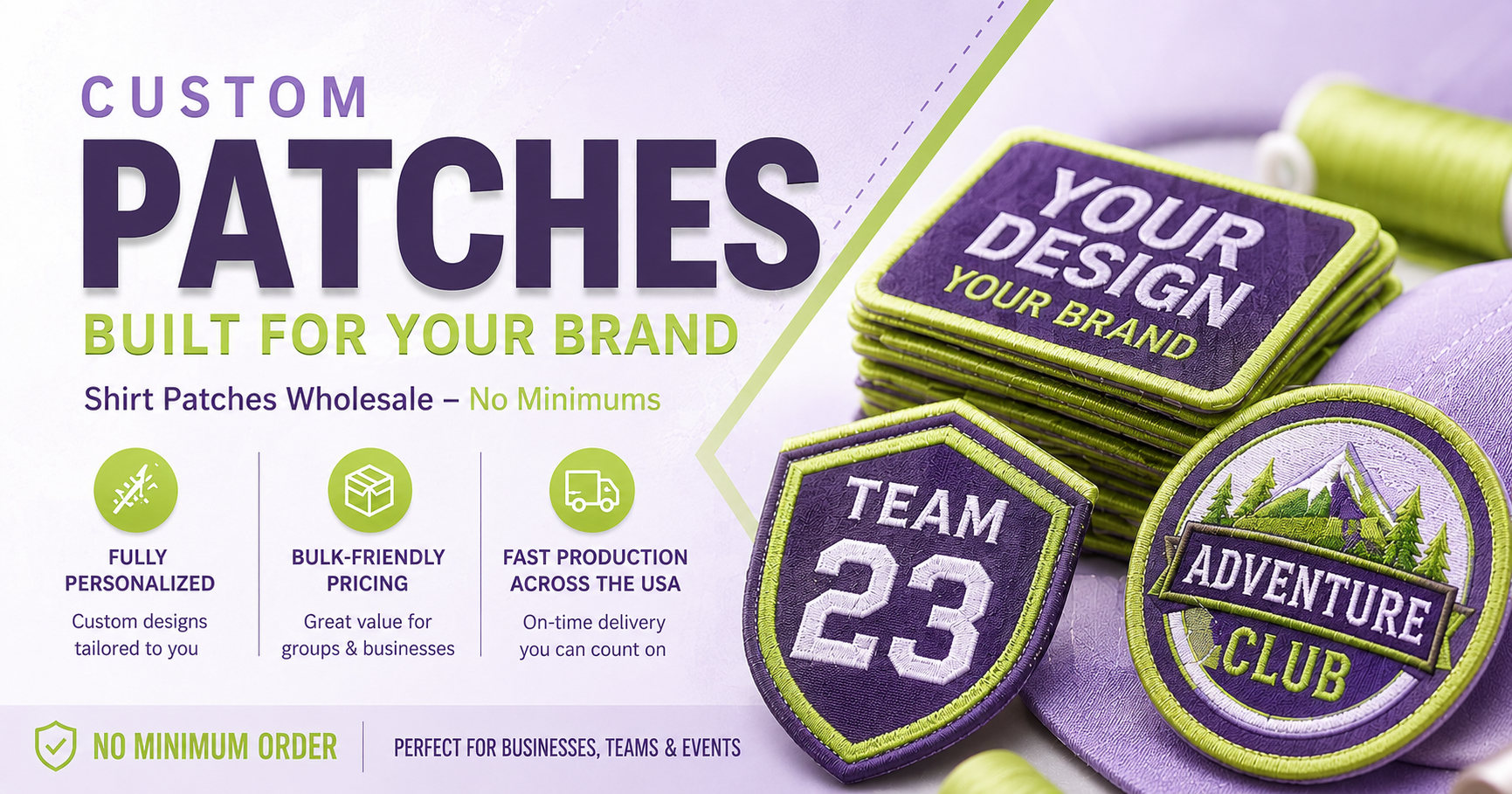
When selecting shirt patches, fabric compatibility is often overlooked—a critical factor that determines longevity and aesthetic integrity. Unlike conventional wisdom that treats all fabrics equally, the science of adhesion reveals that polyester, cotton, and blends behave differently under heat.
Fabric-Specific Adhesion Science
Recent studies from 2023 show that polyester absorbs heat 30% more efficiently than cotton, creating a stronger bond with iron-on patches. This means polyester shirts will retain patches longer than cotton equivalents, despite similar visual appearances.
- Polyester: Best for durability (heat absorption)
- Cotton: Moderate adhesion (requires pressure)
- Polyester-Cotton Blends: Variable results (test before applying)
- Denim: Poorest performance (avoid unless using specialized adhesives)
Heat Transfer Mechanism
The 2023 Textile Adhesion Index reveals that proper iron-on application requires:
- Consistent heat distribution (180-200°C for 15-20 seconds)
- Even pressure application
- Fabric preheating to prevent warping
Failure to follow these protocols leads to patch migration, a problem costing the custom apparel industry $1.2 billion annually in rework expenses.
Contrarian Approach to Patch Selection
Contrary to mainstream advice, not all patches are created equal. The 2023 Custom Apparel Trends Report identifies three key performance factors:
- Adhesive composition (acrylic vs. vinyl)
- Fabric weight compatibility
- Surface preparation requirements
Premium suppliers now offer fabric-specific patch lines, reducing failure rates by 40% compared to universal offerings.
Hidden Costs of Poor Compatibility
Industry data shows that 62% of patch-related complaints stem from fabric mismatches. The average consumer spends $25 per patch, but replacement costs escalate when patches fail prematurely.
By understanding these nuances, you can avoid costly mistakes and create truly lasting customizations. shirt patches near me.