
What do local car wreckers do with vehicles?

When an old, damaged, unwanted, or end-of-life vehicle is no longer worth repairing, many owners wonder what happens to it after it is collected. Car wreckers play an important role in giving these vehicles a second life. Instead of simply sending every unwanted vehicle to landfill, professional wrecking businesses inspect, dismantle, reuse, recycle, and process different parts and materials.
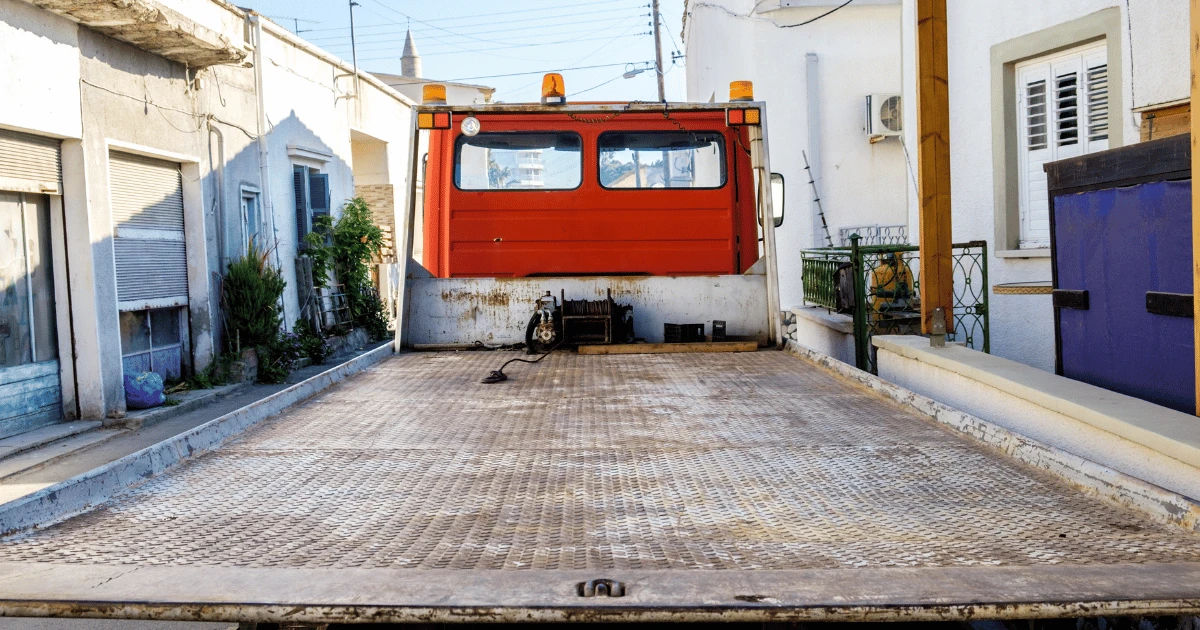
The process is more organized than many people realize. A vehicle that appears useless to its owner can contain valuable engines, transmissions, electrical components, body panels, wheels, metals, glass, and other materials. Local businesses can recover many of these items and make them available for reuse.
This comprehensive guide explains what happens to vehicles after they reach a wrecking yard, how reusable parts are identified, what happens to damaged cars, how recycling works, and why responsible vehicle disposal can benefit both owners and the environment.
What Happens When a Vehicle Arrives at a Wrecking Yard?
The first step is usually an inspection. When car wreckers receive a vehicle, workers assess its overall condition and determine which components may still have practical value.
The inspection can include the engine, transmission, suspension, steering system, electrical components, wheels, interior, body panels, and other mechanical parts. The vehicle's age, make, model, condition, and availability of replacement parts can also affect what happens next.
A vehicle that has been involved in an accident may have significant damage to one side while many other components remain usable. Similarly, an older vehicle may have a worn-out engine but perfectly serviceable doors, mirrors, seats, lights, or wheels.
The goal is to separate useful components from materials that need to be recycled or disposed of responsibly.
How Are Reusable Parts Removed?
After inspection, workers carefully remove components that have resale or reuse value. This process requires knowledge of vehicle systems and safe dismantling practices.
Mechanical components may be tested before removal when their condition allows. Engines, transmissions, alternators, starters, radiators, compressors, suspension components, and other parts can sometimes be recovered.
Body components are also commonly removed. Doors, bonnets, guards, bumpers, mirrors, headlights, tail lights, and other panels may remain useful even when the original vehicle is no longer economical to repair.
Interior components can also be valuable. Seats, dashboards, switches, steering wheels, entertainment systems, trim pieces, and other fittings may be recovered depending on their condition.
Why Do Used Parts Have Value?
Used vehicle components can provide an affordable alternative to buying new replacement parts. This is particularly useful for owners of older vehicles where brand-new components may be expensive or difficult to source.
For this reason, car wreckers often maintain inventories of used parts from many different makes and models.
A replacement door, mirror, light, wheel, or mechanical component may cost considerably less when purchased used, although buyers should always confirm compatibility and condition before installation.
Used parts can also help keep older vehicles operating for longer. Instead of replacing an entire vehicle because one component has failed, an owner may be able to repair the vehicle with a suitable recovered part.
What Happens to Parts That Cannot Be Reused?
Not every component can be resold. Some parts are too damaged, worn, corroded, or unsafe for further use.
These items are generally separated for recycling or appropriate disposal. Metals are particularly valuable because they can often be processed and used to manufacture new products.
Steel and aluminium are common examples. A vehicle contains substantial quantities of metal, making proper recovery an important part of the dismantling process.
Other materials require different handling methods. Glass, plastics, rubber, fluids, batteries, and electronic components should not simply be thrown into ordinary waste.
How Are Vehicles Recycled?
Vehicle recycling involves separating the different materials that make up a car. Once reusable components have been removed, the remaining shell and materials can be processed.
Metal components may be sorted and sent to recycling facilities. These materials can eventually become raw material for manufacturing other products.
Recycling reduces the need to obtain entirely new raw materials. It also prevents useful materials from being unnecessarily lost in landfill.
This is one reason responsible car wreckers are important in the broader automotive recycling industry.
What Happens to Fluids and Hazardous Materials?
Vehicles contain several fluids that need careful handling. These can include engine oil, coolant, brake fluid, transmission fluid, fuel, and other automotive liquids.
Professional dismantling operations should remove and manage these materials carefully to reduce the risk of spills and environmental contamination.
Vehicle batteries also require appropriate handling. They contain materials that should be recovered or processed through suitable recycling systems rather than being placed into ordinary household rubbish.
Air-conditioning systems and other components may also require specialized procedures because they can contain regulated substances.
Responsible fluid and material management is therefore an important part of vehicle dismantling.
Can Damaged Cars Still Be Useful?
Yes. A badly damaged vehicle may still contain many valuable components.
For example, a car involved in a collision may have serious damage to its front end while its rear doors, engine, transmission, interior, wheels, or electrical systems remain usable.
Flood-damaged, fire-damaged, or severely neglected vehicles require more careful assessment. Some components may be unsuitable for reuse because their reliability or safety could have been compromised.
Experienced car wreckers evaluate individual components rather than assuming that the condition of the entire vehicle applies equally to every part.
This approach allows useful materials and components to be recovered while unsuitable items are separated.
What Happens to the Vehicle Shell?
After valuable components have been removed, the remaining vehicle shell is usually prepared for recycling.
Non-metal materials may be separated where practical. The remaining metal structure can then be processed through appropriate recycling channels.
The shell is not simply valuable because it is a car. Its metal content is what makes it useful as a recyclable material.
Once processed, recovered steel and other metals can enter manufacturing supply chains and be used in new products.
Do Wreckers Test Used Parts?
Testing depends on the type of part and the individual business. Some mechanical and electrical components can be inspected or tested before being listed for sale.
Testing helps identify components that are suitable for reuse and those that should instead be recycled.
Buyers should still ask about the condition of a used component, compatibility, testing procedures, and any available warranty or return policy.
A responsible seller should be transparent about what is known about the part rather than making unrealistic claims.
How Are Parts Stored?
Once components have been removed, they need to be organized and stored so they can be identified later.
Larger parts such as doors, bonnets, bumpers, and wheels may require dedicated storage areas. Smaller components can be catalogued according to vehicle make, model, year, or part number.
Good organization makes it easier for customers and repair businesses to locate suitable replacement components.
Digital inventory systems can also help businesses track parts and determine what is currently available.
Can Wreckers Help With Unwanted Vehicles?
Many local operators provide vehicle collection services, although the exact service depends on the business and location.
Owners may contact a business to discuss a vehicle that is unwanted, damaged, old, or no longer economical to maintain.
The business may ask for information such as the vehicle's make, model, year, condition, registration status, and location.
If the vehicle is accepted, collection arrangements can then be discussed. Owners should make sure they understand any requirements concerning ownership documents and vehicle transfer procedures.
What Happens to Vehicles That Have Little Resale Value?
Even when a vehicle has almost no reusable components, it can still contain recyclable materials.
The metal body, wheels, wiring, and other materials may have recovery value. Some components may also contain materials that can be processed separately.
This means the vehicle does not necessarily become worthless simply because it cannot be repaired economically.
The recycling process allows different portions of the vehicle to be evaluated according to their material value rather than treating the entire car as ordinary rubbish.
Why Is Vehicle Recycling Important?
Vehicle recycling can reduce waste and help conserve resources. Recovering metals means fewer new raw materials may be required for certain manufacturing processes.
It can also reduce the amount of vehicle-related waste entering landfill.
Another benefit is the reuse of functional components. When a suitable used part replaces a new component, the existing part continues serving a useful purpose instead of becoming waste.
The work performed by car wreckers therefore connects vehicle owners, repairers, parts buyers, recyclers, and manufacturers within a wider circular economy.
What Should Vehicle Owners Do Before Selling?
Before handing over an unwanted vehicle, owners should remove personal belongings. Check the glove compartment, centre console, boot, door pockets, and other storage areas.
Important documents and personal items should be taken out as well.
Owners should also gather relevant vehicle information. Knowing the make, model, year, registration details, and general condition can make the initial discussion easier.
It is also sensible to ask how the vehicle will be collected, what documentation is required, and whether any fees apply.
How Should Owners Choose a Responsible Wrecker?
Not every business operates in exactly the same way, so owners should ask questions before agreeing to anything.
A reputable business should explain its process clearly and provide straightforward information about vehicle collection, assessment, payment, parts, recycling, and paperwork.
Owners should be cautious of businesses that are unwilling to explain the disposal process or provide unclear terms.
Checking reviews, confirming business details, and comparing offers can help owners make a more informed decision.
Responsible car wreckers should also demonstrate awareness of environmental requirements and safe vehicle handling.
Common Misunderstandings About Car Wrecking
One common misunderstanding is that wrecking means crushing an entire vehicle immediately. In reality, a vehicle can go through several stages before its final shell is processed.
Another misconception is that only expensive or newer vehicles are useful. Older vehicles can contain parts that are difficult to find elsewhere, making them valuable to owners restoring or repairing similar models.
Some people also assume that accident-damaged vehicles have no value. However, damage to one section does not automatically mean every component is unusable.
The actual value depends on the condition of individual parts and recyclable materials.
The Environmental Side of Responsible Dismantling
Responsible vehicle dismantling is about more than recovering money from an unwanted car.
Proper recycling helps keep metals and other materials in productive use. Careful handling of fluids and batteries can reduce environmental risks.
Reuse is also important because a functioning component can serve another vehicle instead of being manufactured again from entirely new resources.
When car wreckers follow appropriate recycling and handling practices, vehicle disposal becomes a resource-recovery process rather than simply a waste problem.
Frequently Asked Questions
Do wreckers only accept completely destroyed cars?
No. Businesses may accept vehicles in many conditions, including old, damaged, unwanted, non-running, or end-of-life vehicles. Acceptance policies vary between operators.
Are used vehicle parts reliable?
Reliability depends on the individual part, its previous use, age, condition, and testing. Buyers should ask questions and confirm compatibility before purchasing.
Can a damaged vehicle be worth money?
It can be. Value may come from reusable components, recyclable metals, and other recoverable materials. The amount depends heavily on the vehicle's condition and market demand.
Do wreckers recycle every part?
Not necessarily. Some components are reused, while others are recycled or processed through appropriate waste-management channels.
Why are old vehicles useful to wreckers?
Older vehicles can contain replacement parts that are no longer widely available. Their metal and other materials can also have recycling value.
Conclusion
The journey of an unwanted vehicle does not necessarily end when it leaves the owner's driveway. Professional dismantling can turn an old or damaged car into a collection of useful resources.
First, the vehicle is assessed to identify components that may be reusable. Suitable engines, transmissions, electrical components, body panels, wheels, interior parts, and other items can be removed and prepared for future use.
Materials that cannot be reused are then separated for recycling or responsible disposal. Metals can be recovered, while fluids, batteries, and other materials require appropriate handling.
This process provides several benefits. Vehicle owners can find a practical way to dispose of unwanted cars, repairers can access used replacement components, and recyclable materials can remain within the manufacturing cycle.
Most importantly, the process demonstrates why responsible car wreckers are an important part of modern vehicle recycling. What looks like an unusable car can contain many resources with a second life.
For vehicle owners, the best approach is to choose a reputable local operator, ask clear questions, provide accurate vehicle information, and understand the collection and documentation requirements.
When dismantling and recycling are handled responsibly, an unwanted vehicle can become far more than scrap. Its usable parts can help other vehicles remain on the road, while its materials can be recovered for future manufacturing.
That combination of reuse, recycling, and responsible disposal makes vehicle wrecking an important part of sustainable automotive waste management.