
What makes Smash Burgers in Chicago different?

Chicago is famous for its diverse food culture, from deep-dish pizza and Italian beef sandwiches to hot dogs loaded with classic toppings. In recent years, smash burgers have also become a favorite among burger lovers looking for bold flavors, crispy textures, and satisfying meals. Although this burger style can be found across the United States, Chicago's food traditions, neighborhood restaurants, and creative chefs give it a distinctive local character.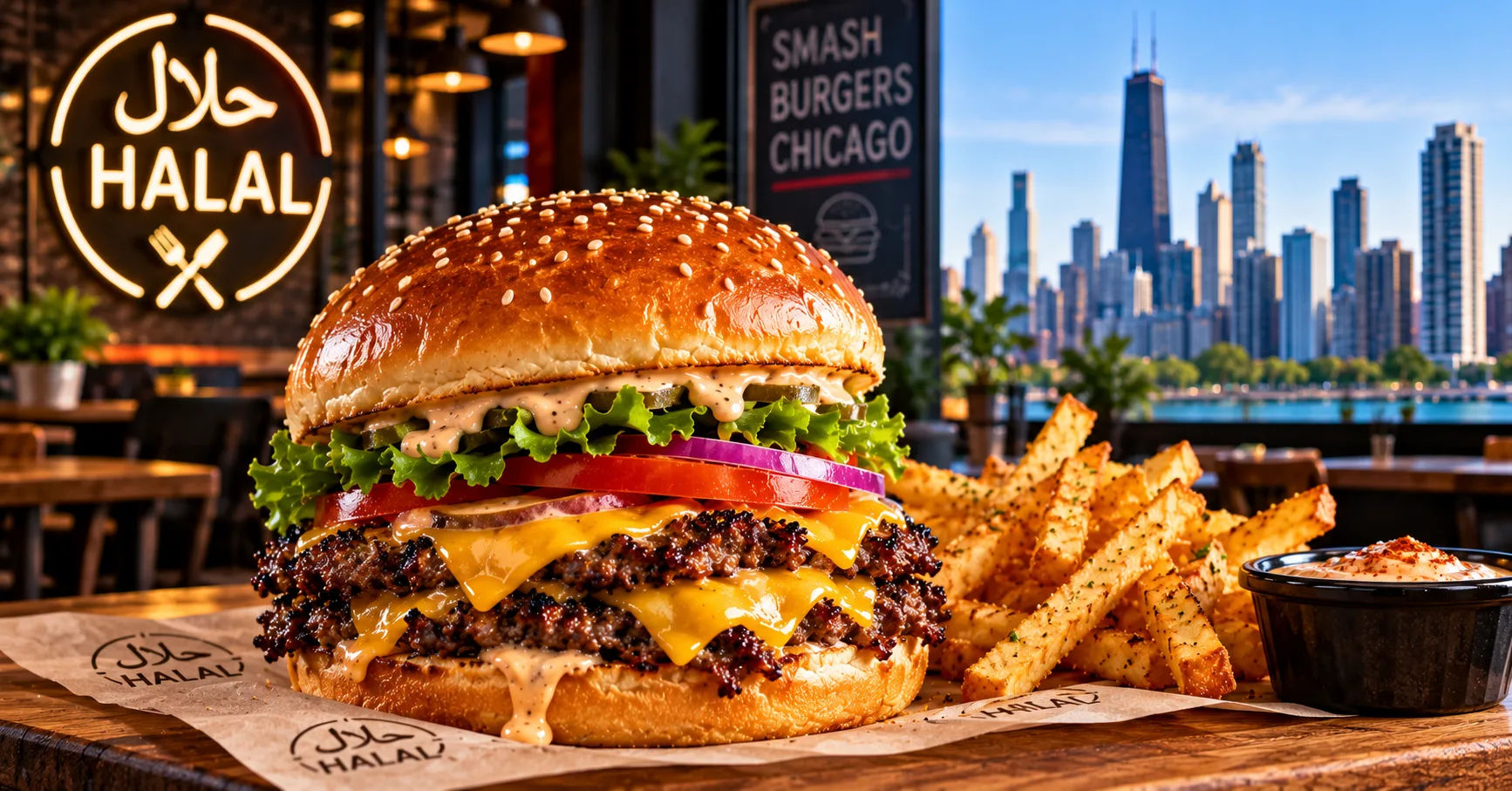
What makes Smash Burgers in Chicago different is not simply the way the beef is cooked. The city's burger culture brings together classic American diner traditions, high-quality ingredients, inventive toppings, and a strong appreciation for flavor. Some restaurants focus on simple cheeseburgers with thin patties and crispy edges, while others introduce regional ingredients, signature sauces, and creative combinations inspired by Chicago's well-known street food.
Understanding these differences helps explain why smash burgers have attracted so much attention in the city. Whether you enjoy a traditional burger, prefer an adventurous combination of toppings, or want to discover how cooking techniques influence flavor, Chicago offers plenty to explore.
This comprehensive guide examines the characteristics that make Chicago's smash burger scene distinctive, including the cooking method, beef quality, local influences, popular toppings, restaurant atmosphere, and the details that separate an ordinary burger from an exceptional one.
The Smash Burger Style
Smash Burgers in Chicago Chicago's unique approach, it helps to understand what defines a smash burger.
Unlike a traditional thick burger, which is shaped into a substantial patty before cooking, a smash burger begins as a loose ball of ground beef. The cook places it on a hot, flat cooking surface and presses it into a thin layer.
This technique increases contact between the meat and the hot metal. As the beef browns, it develops a savory crust and crisp edges while retaining a tender center when cooked properly.
Smash burgers are often served as doubles, with two thin patties stacked together. This creates more browned surface area and allows cheese to melt between the layers.
The result is a burger that combines a soft bun, crispy beef, melted cheese, and flavorful toppings in every bite.
Why the Smashing Technique Matters
The most important difference between a smash burger and many conventional burgers is the cooking process.
A thick patty has less surface area relative to its volume. A thin smashed patty exposes more meat to direct heat, encouraging browning and creating a different texture.
The technique also allows the cook to develop flavor quickly. When the meat is pressed firmly against a hot surface at the beginning of cooking, the contact area helps produce the browned crust that smash burger fans enjoy.
Timing is important. The patty should be smashed when it first reaches the cooking surface, rather than repeatedly pressed during cooking. Excessive pressing after the crust develops can squeeze out juices without improving the texture.
The Influence of Chicago's Burger Culture
Chicago has a long history of casual dining, neighborhood restaurants, diners, and independent burger shops. This culture has helped create an environment where familiar comfort foods can evolve without losing their original appeal.
The city's burger traditions include straightforward cheeseburgers, griddled patties, generous toppings, and meals designed to be filling and convenient. Smash burgers fit naturally into this environment because they offer an intense beef flavor without requiring a thick patty or an elaborate preparation process.
However, Chicago does not have one single smash burger recipe. Different restaurants interpret the style in their own ways.
Some prioritize the classic American cheeseburger experience. Others experiment with spicy sauces, specialty cheeses, caramelized onions, or toppings inspired by local favorites.
This variety is one of the strengths of the city's food scene. Customers can enjoy a familiar burger at one establishment and discover a completely different combination at another.
A Balance Between Tradition and Innovation
Chicago's food culture often combines established recipes with modern interpretations. The same idea appears in its smash burger scene.
A traditional version might include beef, American cheese, pickles, onions, mustard, and a soft bun. Its appeal comes from careful execution rather than a long list of ingredients.
A more experimental burger might feature a house-made sauce, crispy onions, jalapeños, or a specialty cheese. These additions create new flavors while preserving the basic smash burger technique.
The important distinction is that innovation does not automatically make a burger better. The strongest combinations allow the beef and its browned crust to remain the main attraction.
What Makes Smash Burgers in Chicago Stand Out?
Several characteristics help distinguish the local experience, although individual restaurants vary in their ingredients, methods, and specialties.
1. Thin Patties With Crispy Edges
The crispy exterior is one of the most recognizable features of a well-made smash burger. Chicago restaurants that specialize in this style often emphasize a strong sear, thin patties, and a satisfying contrast between crisp beef and soft bread.
The quality of the crust depends on several factors, including the temperature of the griddle, the fat content of the meat, and how firmly the patty is pressed.
A good patty should develop a deep brown surface without becoming unpleasantly burnt. The edges may become especially crisp because they spread thinly across the cooking surface.
This texture makes every bite more flavorful and gives the burger a character that differs from a thick, conventionally grilled patty.
2. A Strong Focus on Beef Flavor
The beef remains central to the smash burger experience. Although toppings contribute to the overall taste, they should complement the meat rather than hide it.
Many smash burger recipes use ground beef with a moderate fat content. Fat helps carry flavor and contributes to the texture of the cooked patty.
The exact beef blend varies by restaurant, and there is no single blend that defines Chicago's approach. Some establishments may emphasize particular cuts or proprietary blends, while others rely on a straightforward ground-beef mixture.
What matters most is how the meat is handled and cooked. A properly heated griddle, suitable seasoning, and a well-developed crust can make a simple beef patty remarkably satisfying.
3. Melted Cheese and Carefully Chosen Toppings
Cheese is a major part of the classic smash burger experience. American cheese is popular because it melts smoothly and creates a creamy layer over the beef.
Cheddar and other cheeses can also work well, depending on the desired flavor. Some restaurants add cheese between two thin patties, allowing it to melt around the meat and bind the layers together.
Toppings provide contrast. Pickles introduce acidity, onions add sweetness or sharpness, and mustard provides a tangy note. Lettuce and tomatoes can add freshness, although some minimalist versions leave them out.
The best combination depends on the style of burger. A simple double cheeseburger may offer more balance than one overloaded with competing flavors.
4. Soft, Toasted Buns
The bun plays a bigger role than many people realize. It must be soft enough to bite through comfortably but sturdy enough to support the meat, cheese, and sauce.
Toasting the cut sides adds flavor and helps limit the amount of moisture absorbed by the bread.
Brioche, potato rolls, and classic sesame-seed buns are all possible choices. The best option depends on the restaurant's recipe and the texture it wants to achieve.
For a thin double burger, a bun that is too large can overwhelm the patties. A well-proportioned bun helps keep the beef and toppings in balance.
How Chicago's Local Food Traditions Influence Smash Burgers
Chicago is known for several distinctive foods, including Chicago-style hot dogs, Italian beef sandwiches, and deep-dish pizza. These dishes have their own identities, but the city's broader appreciation for generous flavors and recognizable local ingredients can also inspire modern burger creations.
Smash burgers provide a flexible base for these influences.
Chicago-Style Toppings and Flavors
A chef might draw inspiration from the tangy peppers associated with Italian beef sandwiches or the pickles, onions, mustard, and other toppings found in Chicago's hot dog tradition.
These influences are not universal features of Chicago smash burgers, and a burger does not become a traditional Chicago-style dish simply because it includes local-inspired ingredients.
Instead, they demonstrate how restaurants can reinterpret familiar flavors in a new format.
For example, a burger with hot peppers and a savory sauce can provide a sharper, more intense flavor profile. Another might use caramelized onions and melted cheese for a richer, sweeter taste.
The Importance of Neighborhood Restaurants
Chicago's neighborhoods contribute to its varied dining culture. Independent restaurants, small burger counters, and casual eateries often develop their own menus to appeal to local customers.
Some may keep their recipes deliberately simple. Others experiment with sauces, toppings, and different combinations of beef and cheese.
This means the experience can differ significantly depending on where you eat. A small neighborhood shop may focus on speed and consistency, while a contemporary restaurant might emphasize presentation, specialty ingredients, and a more elaborate menu.
Rather than expecting every restaurant to serve the same burger, visitors can treat the variety as an opportunity to discover different interpretations of the style.
The Role of Ingredients in a Great Chicago Smash Burger
Even when the cooking method is similar, ingredients can make two burgers taste very different.
Ground Beef and Fat Content
The choice of beef affects the crust, tenderness, and flavor. Beef with approximately 20% fat is a common starting point for home cooks because it provides a balance between richness and moisture.
However, the ideal ratio depends on the meat blend, cooking surface, and personal preference. A restaurant may use its own blend to create a particular flavor or texture.
Freshness and storage also matter. Ground beef should be kept refrigerated and handled safely before cooking.
Seasoning
Salt and black pepper are often enough for a classic smash burger. Because the patties are thin, seasoning can have a noticeable effect on the overall taste.
Some restaurants add garlic powder, onion powder, or proprietary seasoning blends. These can provide additional depth, but too much seasoning may distract from the beef.
Sauces
House sauces can be an important part of a restaurant's identity. A creamy sauce with mustard, pickles, and mayonnaise can balance the savory meat, while a spicy sauce introduces heat.
Other burgers use barbecue sauce or a simple combination of ketchup and mustard.
The best sauce complements the patty without making the bun soggy. Applying a moderate amount usually allows the other ingredients to remain distinct.
Fresh and Pickled Vegetables
Onions, pickles, lettuce, and tomatoes contribute different textures and flavors. Raw onions offer sharpness, while cooked onions provide sweetness.
Pickles are especially useful because their acidity helps balance the fat in the beef and cheese. This is one reason they appear in so many classic burger combinations.
Smash Burgers Versus Traditional Chicago Burgers
Chicago has a broader burger culture than smash burgers alone. Restaurants may offer char-grilled burgers, thick pub-style patties, diner cheeseburgers, and other variations.
Understanding these differences makes it easier to appreciate what the smash method brings to the table.
Neither style is inherently superior. A smash burger appeals to people who enjoy crisp edges and a higher proportion of browned surface, while a thick burger may suit those who prefer a larger, more substantial patty.
The difference comes down to technique and personal taste rather than one being more authentic to Chicago than the other.
How to Choose the Best Smash Burger in Chicago
With so many restaurant styles to explore, choosing a burger can be easier when you know what to look for.
Look for a Well-Developed Crust
The browned surface is one of the clearest signs of the smash technique. A good patty should have noticeable browning and crisp edges without tasting burnt or excessively greasy.
The crust should contribute flavor while the rest of the burger remains enjoyable to eat.
Consider the Simplicity of the Menu
A classic cheeseburger can be a useful way to judge a restaurant's approach. With fewer toppings, the quality of the beef, cheese, bun, and cooking technique becomes easier to appreciate.
Once you understand the restaurant's basic style, you can try more adventurous combinations on a later visit.
Check the Balance of Ingredients
Look for a burger in which the bun, patties, cheese, and toppings work together. A large amount of sauce or too many toppings can make a burger messy and overpower its main flavors.
A well-balanced burger should have contrasting textures and flavors without any single component dominating unnecessarily.
Read Recent Reviews Carefully
Online reviews can help you understand portion sizes, service, menu choices, and the consistency of a restaurant's food.
Look for repeated observations rather than relying on one enthusiastic or negative comment. Reviews are subjective, and a burger that suits one person's preferences may not be ideal for another.
Check current menus and opening hours before visiting, as restaurant offerings can change.
Can You Make Chicago-Style Smash Burgers at Home?
Yes. You can recreate many of the features associated with Chicago's smash burger scene using a heavy skillet or flat griddle.
The goal is not to reproduce every restaurant's proprietary recipe. Instead, focus on the techniques that define the style: thin patties, a hot cooking surface, good browning, melted cheese, and balanced toppings.
A Simple Home Cooking Method
Start with ground beef divided into loose balls. Heat a heavy skillet until hot, then place one portion of beef on the surface and press it firmly into a thin patty.
Season the exposed side with salt and pepper. Allow the underside to develop a browned crust before scraping beneath it and flipping it.
Add cheese during the final stage of cooking. Ground beef should reach an internal temperature of 71°C (160°F), verified with a food thermometer.
Toast the buns on the same cooking surface, then assemble the burger with pickles, onions, and your preferred sauce.
Avoid pressing the patty repeatedly after the initial smash, since doing so can release juices without improving the crust.
Experiment With Local-Inspired Flavors
Once you have mastered the basic technique, try additions inspired by Chicago's wider food culture.
You might add hot peppers for heat, grilled onions for sweetness, or a tangy sauce that complements the beef. Keep the toppings controlled so the burger's defining texture remains noticeable.
The best homemade version is one that balances the ingredients while using a reliable cooking technique.
Are Smash Burgers Suitable for Different Dietary Preferences?
Smash burgers can be adapted to suit a range of preferences, although the ingredients and preparation methods need to match the diner's requirements.
Halal Options
People who follow halal dietary guidelines should verify the meat source and consider the cheese, sauces, seasonings, and preparation equipment. A restaurant's use of beef does not automatically establish that the entire burger meets halal requirements.
Ask about certification and food-handling practices if halal compliance is important to you.
Vegetarian Alternatives
Some restaurants offer plant-based patties that can be cooked in a similar style. However, a plant-based burger is not necessarily prepared using the same equipment as other foods, so diners with specific dietary requirements should ask about preparation methods.
Lighter Meal Choices
A single patty, moderate sauce, and fresh vegetable toppings can provide a smaller meal than a large double cheeseburger with multiple extras.
The nutritional value depends on portion size, ingredients, and sides. A smash burger can fit into a balanced eating pattern, but its cooking method does not automatically make it healthier than other burgers.
Conclusion
What makes Smash Burgers in Chicago different is the way a simple cooking technique fits into a city with a rich and varied food culture. The thin patties, crisp edges, melted cheese, toasted buns, and carefully selected toppings create a recognizable style, while local restaurants bring their own interpretations to the experience.
The most important feature is the browned beef crust. Pressing ground meat onto a hot, flat cooking surface creates more direct contact with the heat and encourages the rich flavors associated with smash burgers. When paired with a soft bun and balanced toppings, this technique produces a satisfying burger that differs from thicker, conventional patties.
Chicago's broader food traditions also provide inspiration. Peppers, pickles, onions, tangy sauces, and other familiar flavors can appear in creative combinations, although not every restaurant uses them. Neighborhood burger shops and contemporary eateries contribute to a diverse scene in which classic recipes and modern ideas can coexist.
For anyone choosing a burger, it is worth paying attention to the quality of the crust, the balance of ingredients, the freshness of the toppings, and the restaurant's consistency. A simple cheeseburger can reveal a great deal about the cooking technique, while a specialty burger offers a chance to explore more adventurous flavors.
You can also recreate the experience at home by using suitable ground beef, heating a heavy skillet properly, smashing each patty once, and cooking the meat to a safe temperature. From there, you can experiment with cheeses, sauces, and toppings to find your preferred combination.
Ultimately, Chicago's smash burger appeal lies in the combination of straightforward cooking, bold flavor, and room for creativity. The city does not have one universal recipe, and that variety is part of what makes exploring its burger culture enjoyable.